In alphabetical order:
Bill Arnold – U of MN, Dept of Civil, Environmental and Geo
Title: Herbicides, Insecticides, and Rubber-derived Chemicals in Stormwater: A Potential Threat to Groundwater
Kate Bischoff – k8bischLLC

Title: What is Legal and What is Ethical Can Be Two Different Things
Bio: Kate Bischoff is an overly enthusiastic, sarcastic, and opinionated management-side employment attorney and human resources professional. She works closely with management, HR folk, and technology companies to improve organizations through training, policy, and investigation work in addition to everyday advice and counseling. Prior to starting her own business, Kate served as the HR Officer for Consulate General Jerusalem and U.S. Embassy Lusaka, Zambia. Kate has been recognized by The New York Times, CNN.com, Wall Street Journal, USA Today, National Public Radio, and other journalistic sources as a leading authority on harassment, technology in the workplace, and employment law.
Bryce Cook – USGS

Title: Advancing the Detection of Microplastics in Groundwater Using LDIR Imaging
Bio: Bryce Cook is a physical scientist with the USGS M3 Research Laboratory where he leads the development of standardized methods for the detection of micro- and nanoplastics in environmental matrices. Prior to working for the USGS, Bryce obtained his M.S. in Environmental Chemistry from UC-Davis where he studied the impacts of sea-level rise on the formation of toxic methylmercury in the Florida Everglades.
Vanessa Demuth – Dakota County
Title: Dakota County’s Cross-Agency Approach to Emerging Contaminants
Bio: Vanessa Demuth has been a groundwater professional with Dakota County’s Environmental Resources Department since 1993 where she is a Certified Water Well Inspector for the Minnesota Department of Health (MDH) Delegated Well Program. She is both an MDH Registered Environmental Health Sanitarian and a Minnesota Licensed Professional Geologist. She has contributed to both the manganese and chloride related Minnesota Ground Water Association white papers. In 1999, she was tasked with the 20-year study of Dakota County’s ambient groundwater quality which was published in 2020. Vanessa is active in her community as a former city council member, current member of the Utility Commission and started the city’s Environment and Sustainability Commission. Currently she is the Vice President of the American Institute of Professional Geologist MN Chapter.
David Duffey – MN Pollution Control Agency
Title: Preliminary Results of a Statewide Survey of Microplastics in Minnesota’s Surface Water, Groundwater and Drinking Water
Bio: David first joined the MPCA as an intern in 2004 — in the very program he now spearheads. Hired into his current role in 2007, David has spent the past 18 years advancing Minnesota’s understanding of groundwater conditions and trends. Notable achievements include helping expand the state’s ambient groundwater monitoring network and currently managing an interagency statewide survey of microplastics in Minnesota’s waters. He collaborates closely with the University of Minnesota, the U.S. Geological Survey, and other state agencies to strengthen water science and policy. He earned his Bachelors of Science in Environmental Science with a minor in GIS & Cartography from the University of Wisconsin – River Falls. Outside of work, David enjoys the outdoors, running, playing baritone saxophone in the Payne-Phalen Community Band in Saint Paul, and traveling with his wife, Erin, and their dog, Barb. He recently built a barrel sauna in his backyard — an endeavor that left him saying, “Now I know what being a cooper feels like.”
Maya Gilchrist – MN Dept of Health
Title: MDH’s Drinking Water Ambient Monitoring Program
Bio: I have been with the MDH Source Water Protection Unit for two years, primarily providing data support for the new Drinking Water Ambient Monitoring Program (DWAMP). Previously, I’ve worked for the Pollution Control Agency on PFAS program coordination and in environmental consulting on groundwater remediation projects. I have a B.S. in Environmental Science from Northeastern University and an M.S. in Earth Science from the University of Minnesota, Twin Cities. In my free time, I love to ski, swim, and volunteer in my community.
Shelby Kassuelke – MN Dept of Health
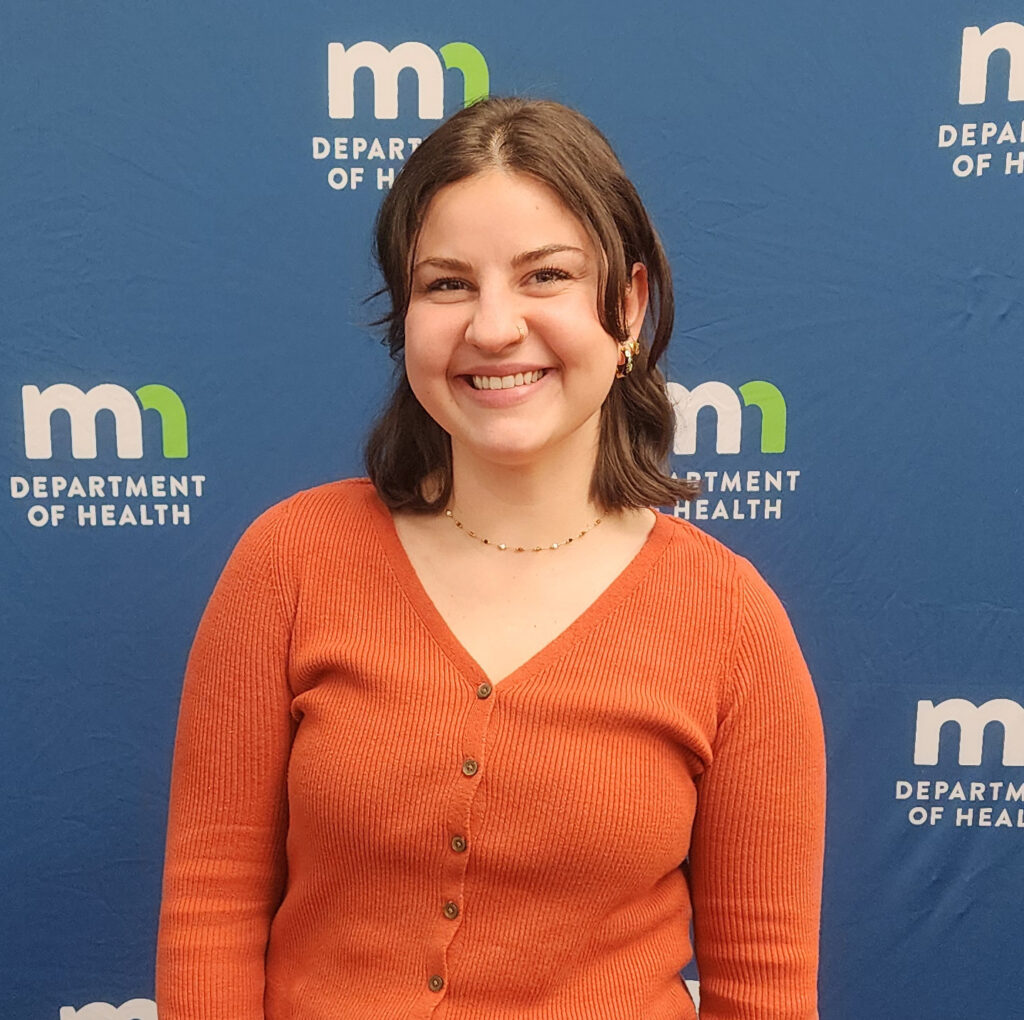
Title: MDH’s Drinking Water Ambient Monitoring Program
Bio: Shelby Kassuelke has been a hydrologist in the Source Water Protection unit at the Minnesota Department of Health since 2023, working primarily on field activities in support of the Drinking Water Ambient Monitoring Program. Before MDH, she worked as a hydrologist for the Forest Service Pacific Southwest Research Station in Arcata, California. She has a BS in Environmental Science and a MS in Water Resources Science and Hydrology, both from the University of Minnesota Duluth.
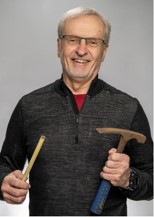
Kerry Keen – U of WI, River Falls
Elizabeth Kluesner – MGWA
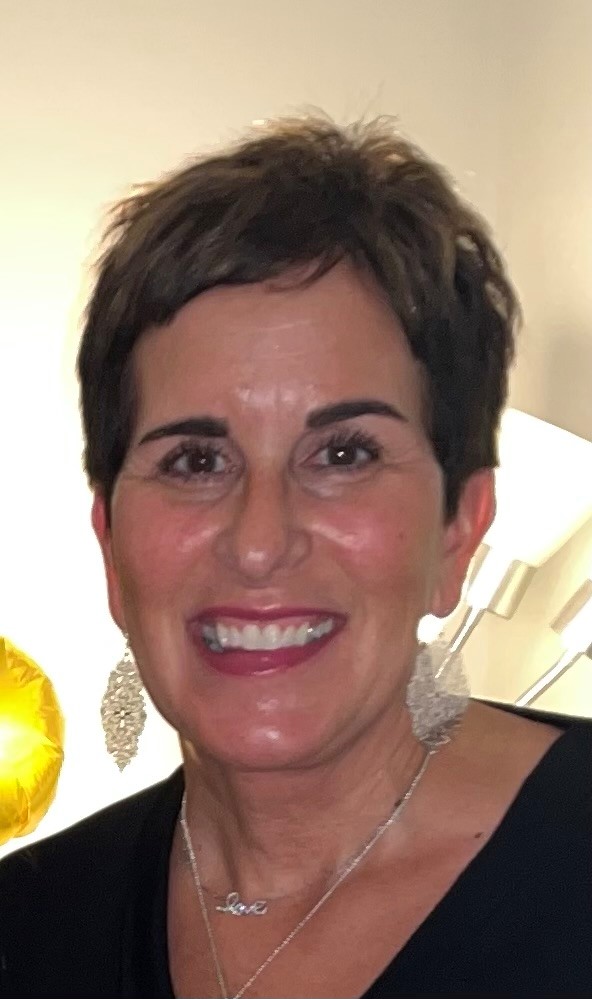
Bio: Elizabeth is originally from Madison, Wisconsin, and is currently the Executive Director of Minnesota Brownfields and the Minnesota Groundwater Association. She has served in the Minnesota Brownfields Role since November 2021 and the MGWA Executive Director Role since October 2025. Prior to her work in Minnesota, Elizabeth served as Deputy Secretary of the Wisconsin Department of Natural Resources during the administration of Governor Tony Evers. Elizabeth also served as the DNR’s director of Local and Federal Relations, and held a number of other positions in the Department over the course of a 20 plus year career. She served as the Policy Director to Dane County (Wisconsin) Executive Kathleen Falk, where her primary duties focused on conservation based land acquisition, recreation, land use, and transportation planning. Elizabeth holds a Bachelor of Science and Master’s degree from the University of Wisconsin-Madison.
Elizabeth moved to the Twin Cities in 2019. She lives with her husband Dave in Edina and has two children, Katherine (28) and Teddy (24). She enjoys being outdoors, particularly with her family in Wyoming.
Eric Mohring – MN Ground Water Association Foundation
Bio: Eric Mohring is a retired (recovering?) hydrogeologist from Minneapolis. He currently serves as president of the Minnesota Ground Water Association Foundation. Most of his professional life (1990-2022) was spent as a hydrologist and mid-level technocrat with the Minnesota Board of Water and Soil Resources (BWSR) He wore a variety of hats there over the years, including: technical assistance to local government, county ground water planning, well-sealing cost-share programs, ground water and wetland hydrology training, joint projects with USGS, data base management, wetland hydrology assistance to BWSR field staff and local government, wetland hydrology monitoring and analysis, wetland restoration projects, and other odd jobs.
From 1985-1990 he was with the Minnesota DNR as a hydrogeologist, working on the quantity side of ground water resource management. From 1983-85 he was a geologist (i.e. drill rig jockey) with a Chicago engineering consulting firm as the Superfund program was in full swing.
He has an MS in hydrogeology from the University of Minnesota, and a BS in geology from Princeton University. He lives in south Minneapolis with his wife Karen, a retired University of Minnesota geology professor. A physician once told him that for someone of his weight, he was vertically challenged. He is educated beyond his intelligence. He speaks French, Greek, and some English. In his retirement his vocation and avocation traded places, and he can be seen playing mandolin and fiddle with Café Accordion Orchestra, and Cajun music with New Riverside Ramblers.
Crystal Ng – U of MN

Title: Assessing Future Climate Change Impacts on Groundwater Recharge in Minnesota
Bio: Crystal Ng is an associate professor in the Department of Earth & Environmental Sciences and affiliate member of the St. Anthony Falls Laboratory at the University of Minnesota-Twin Cities. She completed her bachelor’s degree in applied mathematics at Harvard University in 2003 and her PhD degree in Environmental Engineering at MIT in 2009. Crystal is interested in how different aspects affecting shallow groundwater systems – including the atmosphere, plants, soil, microbial activity, and geochemistry – interact with each other. Her work investigates the relationships between these elements to help explain how the environment will respond to changing conditions, including impacts of climate change, land use/cover change, and contamination. Her research employs integrated hydrologic computer models to describe dynamic connections at the land surface, in the unsaturated zone, in groundwater aquifers, and in surface water bodies (lakes, streams, and wetlands). Recognizing that hydrologic systems and the environment are becoming inextricably connected to humans, she has also been working more recently with social scientists and conducting community-engaged research, through which she strives to demonstrate the need for collaboration with Indigenous communities, inclusion of other knowledge systems, and work towards environmental justice.
Nikol Ross – MN Dept of Agriculture
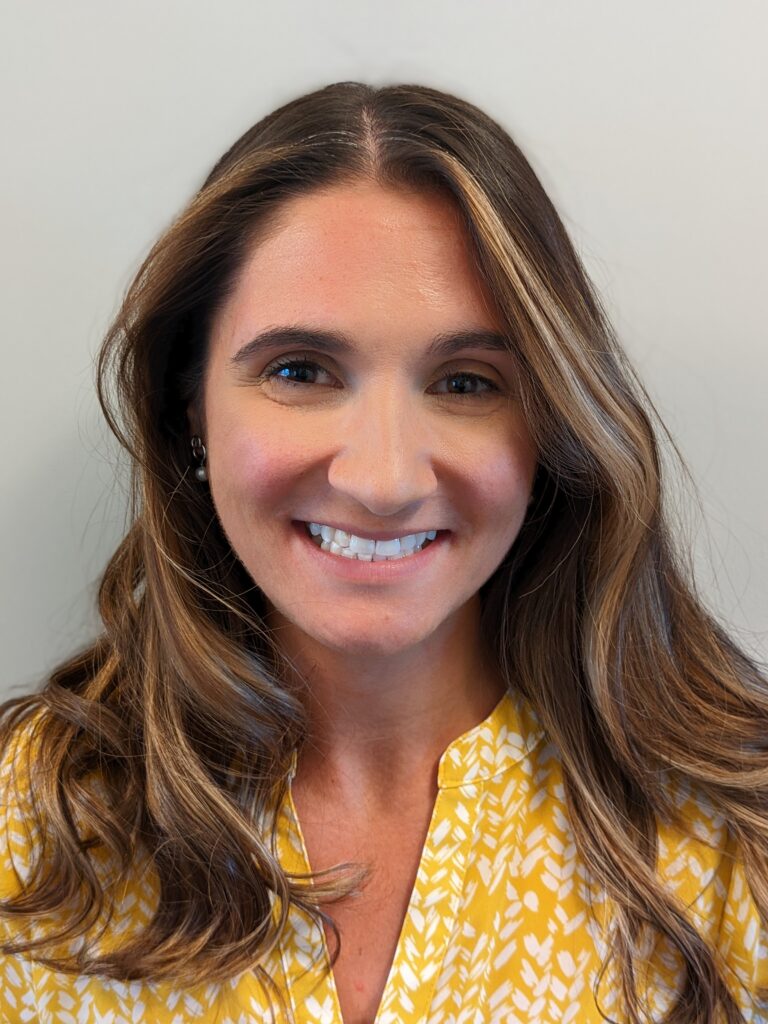
Title: From Nitrate to Pesticides: Tackling Contaminants at the Tap
Bio: Nikol is a hydrologist with over a decade of experience specializing in groundwater science and water quality. She holds a B.S. degree in Environmental Science from Drake University and a M.S. degree in Water Resources Science from the University of Minnesota. At the Minnesota Department of Agriculture (MDA), Nikol leads and supports projects aimed at improving groundwater quality, monitoring nitrate concentrations, and protecting private well users through science-based mitigation efforts. Her career has been dedicated to advancing the understanding and protection of Minnesota’s groundwater resources.
Brennon Schaefer – MN Dept of Agriculture
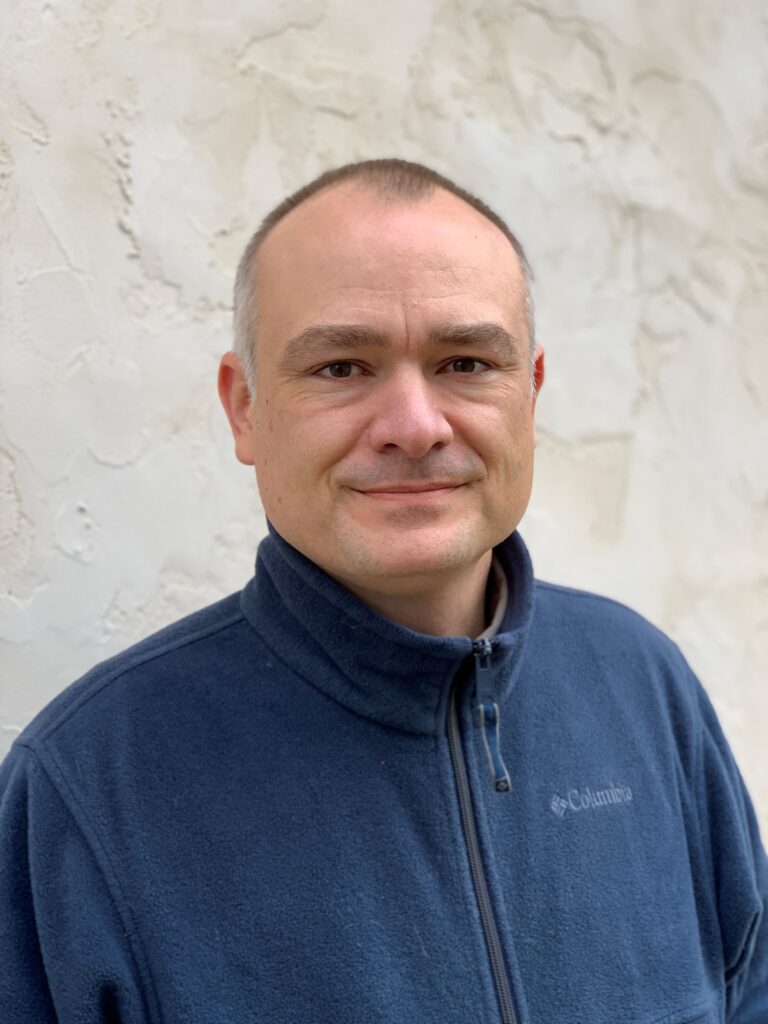
Title: From Nitrate to Pesticides: Tackling Contaminants at the Tap
Bio: Brennon has been employed by the Minnesota Department of Agriculture as a hydrologist since 2009. His focus has been on agricultural-related water quality issues in Minnesota groundwater. He is a licensed professional hydrologist through the American Institute of Hydrology and a licensed professional geologist in the State of Minnesota. He received his M.S. degree from the University of Minnesota in Water Resources Science in 2006 and his B.S. degree from Iowa State University in Environmental Science in 2000.
Shalene Thomas – Battelle

Title: ITRC Overview of the Contaminants of Emerging Concern Identification Framework
Bio: Shalene Thomas is the Global Emerging Contaminant Program Manager for Battelle. She has more than 27 years of experience in environmental consulting that includes 18 years of experience supporting per- and polyfluoroalkyl substance (PFAS) evaluations. She has supported State, Federal and commercial clients with PFAS product stewardship, source evaluations, litigation, risk management and mitigation strategies and well as risk communication. She serves as a sub-Team leader and trainer for the Interstate Technology Regulatroy Council (ITRC). She has supported PFAS projects in 32 different states in nine of the 10 USEPA regions as well as in Europe, Australia, South America, and Canada and has provided PFAS training to more than 1500 professionals globally.
Jared Trost – United States Geological Survey
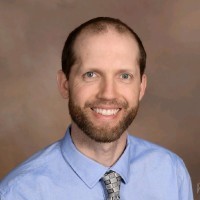
Title: Simulations of Past and Future Water Budget Components in Minnesota with the Soil-Water-Balance Model
Bio: For more than two decades, I’ve sought to understand and provide information on the vital connections between what we do on the surface of the planet and the quantity and quality of groundwater below. As an environmental scientist, I’ve managed and led a diverse range of research projects, from plot-scale studies to understand intricacies of plant ecology to regional groundwater studies to understand water availability. Much of my work today centers on collaborative projects that bring together field research and modeling to explore how climate, hydrogeologic setting, land use practices, groundwater use, and/or contaminants can affect groundwater resources. Beyond the data and the models, my passion lies in people. I have extensive experience facilitating collaborative research efforts and mentoring early career scientists. I believe that our greatest scientific breakthroughs happen when we work together.
Cathy Undem – Dakota County
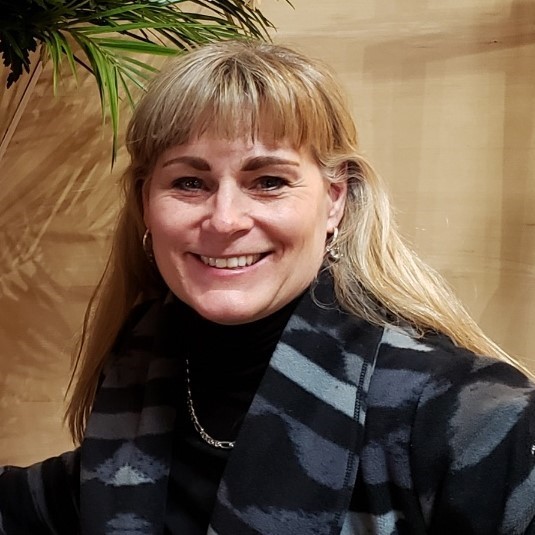
Title: Dakota County’s Cross-Agency Approach to Emerging Contaminants
Bio: Ms. Undem manages the Environmental Assessment Program at Dakota County, administers the Redevelopment Incentive Grant (RIG) program in collaboration with the DC Community Development Agency, and is the Project Manager for the DC Emerging Contaminants Workgroup. The RIG program provides grants and technical assistance to brownfield redevelopment projects throughout Dakota County with environmental investigations and site cleanup. Ms. Undem has worked on brownfields, environmental investigations, and site cleanups for more than 30 years in private industry and government. The DC Emerging Contaminants Workgroup was initiated by Ms. Undem in 2024 to create a cross-agency workgroup to respond to emerging issues related to groundwater in the County, implement strategies in the County groundwater plan, and provide a mechanism for data sharing and collaboration with State and local agencies and other stakeholders. Ms. Undem has served on various boards, committees, and stakeholder groups with MGWA, Minnesota Brownfields, MPCA and MSU Women in Leadership Board. Ms. Undem is a licensed professional geologist in MN and WI and graduate of the University of MN Duluth.
You must be logged in to post a comment.