2026 MN Ground Water Association Fall Conference
Tuesday, November 17th
American Swedish Institute
Speakers listed in alphabetical order:
Zaven Arra – RRIV
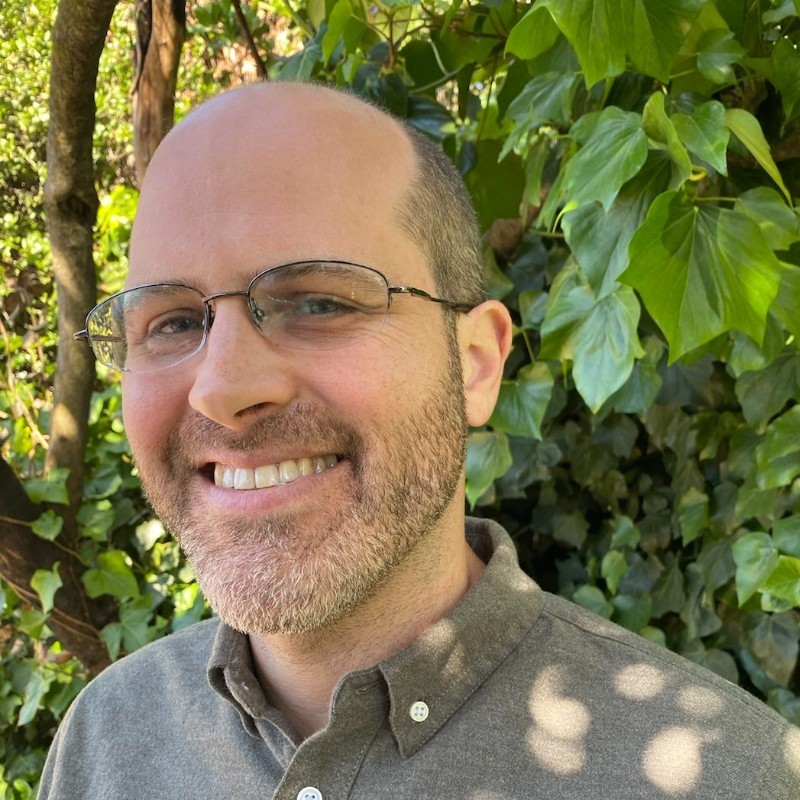
Title: Community-based Groundwater Flow Sensing using Open Source Technologies
Presentation Deck – Audio
Bio: Zaven Arra enjoys interdisciplinary engineering projects at the interface of technology and environment. He develops RRIV to provide environmental monitoring platforms for the public good, using state of the art sensors and open source data streaming technologies. With over 2 decades of experience in software and hardware technology development, he has contributed to both for- and non-profit projects building tools for municipal water conservation, water quality monitoring, and groundwater flow characterization.
Zaven Arra enjoys interdisciplinary engineering projects at the interface of technology and environment. He develops RRIV to provide environmental monitoring platforms for the public good, using state of the art sensors and open source data streaming technologies. With over 2 decades of experience in software and hardware technology development, he has contributed to both for- and non-profit projects building tools for municipal water conservation, water quality monitoring, and groundwater flow characterization.
Abstract: River Restoration Intelligence and Verification (RRIV) is developing open source technologies for use by communities, organizations, and laboratories to implement groundwater flow sensing at dense spatial scales. These include automated 3D groundwater flow sensing hardware, data streaming cloud services, and sensor inventory utilities. As new industrial build-outs, infrastructure scale up, and changing weather patterns intensify pumping of groundwater resources, access to flow profiles on accelerated planning timelines are becoming essential for water risk mitigation. This lighting talk will briefly present RRIV’s open source groundwater flow measurement technology and advantages of our open source approach in reducing typical barriers to automated groundwater flow monitoring: technology access, operationalization, data sovereignty, and cloud platform management.
Michael E. Berndt – University of MN
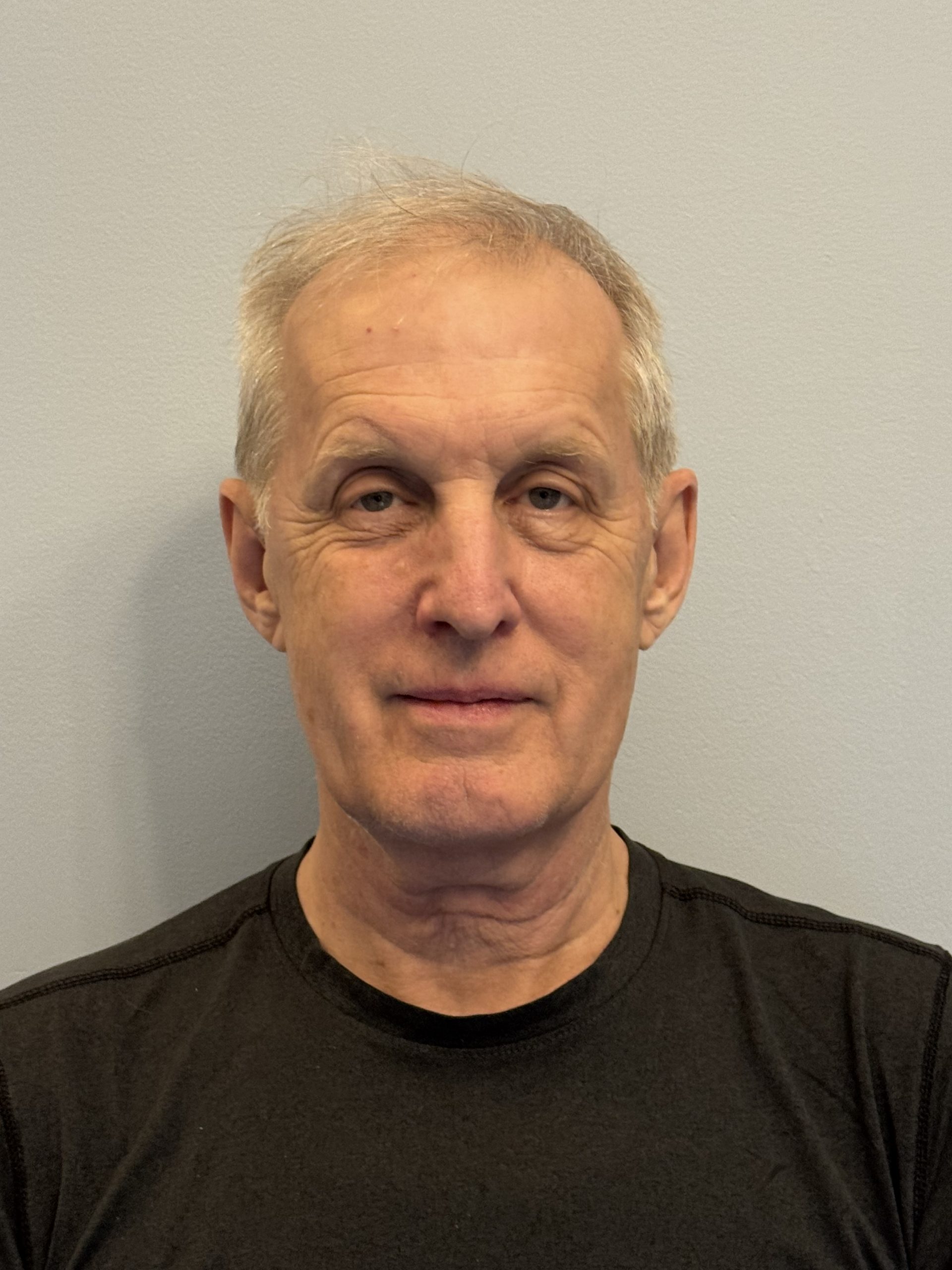
Title: Iron and Sulfate Reactions in Glacial Tills Near Minntac’s Tailings Basin, NE Minnesota
Presentation Deck – Audio
Bio: Born and grew up in Minnesota
University of Minnesota:: 1987 to present
PhD Geology, Post-Doc, Senior Research Associate, Adjunct Professor, Research Affiliate
Minnesota DNR: 2001-2016 (Retired)
Research Scientist
Abstract: Research studies at the Minntac Tailings basin in northeastern Minnesota reveal that simple cation exchange processes in glacial till can trigger high dissolved iron (Fe²⁺) concentrations in groundwater and lead to deposition of FeS and FeCO₃. Cation exchange calculations show that Fe²⁺ occupies approximately 26% of cation exchange sites in unimpacted tills near Minntac’s basin. This Fe²⁺ was likely emplaced by the long-term weathering of iron-oxides in the presence of organic carbon. The stored Fe²⁺ is later released into solution by exchange with Mg²⁺, Ca²⁺, and Na⁺ which are abundant in water leaking from Minntac’s basin. Saturation calculations reveal that HCO₃⁻ in basin waters should combine with the released Fe²⁺ to generate FeCO3. Moreover, sulfate (SO4²-) from the basin, which becomes reduced to sulfide when it encounters organic carbon, combines with exchanged Fe²⁺ to form FeS. The amounts of FeS formed were quantified at Minntac using sulfur isotopic methods applied to dissolved sulfate. These results have direct implication for arsenic accumulating processes in groundwaters in glacial sediments since arsenic geochemistry is closely tied to iron oxide reduction and FeS deposition. It is important to note, however, that glacial sediment rich in CaCO₃ will likely store more reduced iron in FeCO₃ than in exchangeable cation sites.
Julie Blackburn – ISG, Inc.
Justin Blum – MN Department of Health (Retired)
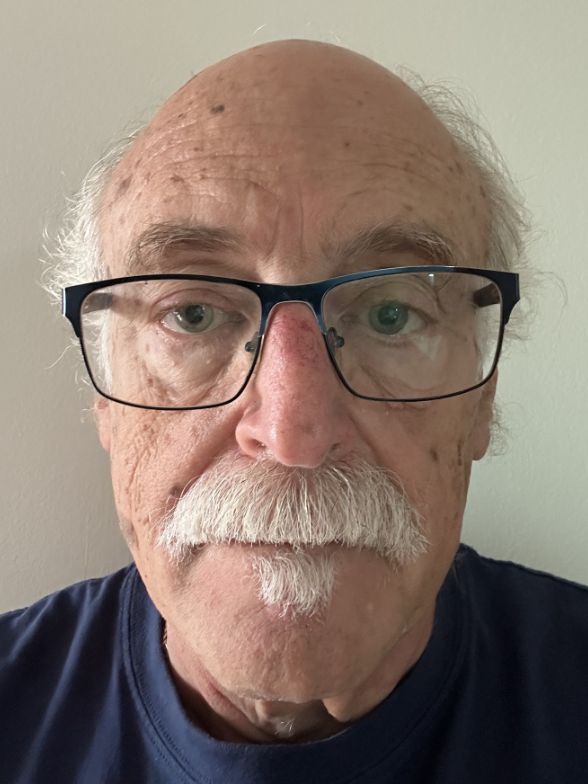
Title: Steady-State Modeling of a Conservative Environmental Tracer Through an Aquitard: Illuminating the Relative Importance of Ambient Groundwater Recharge Vs. Pumping Induced Recharge in Layered Systems
Presentation Deck – Audio
Bio: Justin has BA and MS degrees in Geology from the University of California. He worked as a Hydrologist with the State of Minnesota for many years and in geotechnical consulting for some years before retirement in 2021. Most of the work involved groundwater flow modeling in the Paleozoic bedrock of Southeastern Minnesota. Because of the rarity of site-specific aquifer properties, any pumping test used to draw Justin’s attention like a road-side attraction. Or, perhaps any pile of data that could be made to resemble a pumping test… His presentation today is an example of the latter.
Abstract: The Oneota Formation is a karstic dolostone within the Prairie du Chien-Jordan Aquifer system. This aquifer system is an important source of drinking water for residents of southeastern Minnesota. Within the aquifer, the Oneota is characterized as a regional aquitard. Assessment of the hydraulic properties of layers within this aquifer continues to be of interest for both drinking water protection and groundwater resource evaluation. The compilation of water quality data in the Rochester Basin allows the estimation of leakage through resistive layers by use of a steady-state flow model. The concentration of a conservative tracer over time is correlated to estimates of leakage (recharge) as an independent check of hydraulic properties. Of particular interest to the hydraulic properties of the Oneota Formation, this type of model is most sensitive to the porosity of the aquitard. It was found that the sum of the ambient leakage and the pumping induced leakage was required to adequately model these data. The simple inverse model of pumping induced recharge has little utility on its own because it did not sufficiently describe the system. At large radial distances, the small volume of pumping-induced leakage is met by the relatively large volume of ambient leakage. A rough estimate of the distance where this occurs is within two times the characteristic leakage factor. This finding can be generalized as a limit of the effective radius of influence of a well in layered (leaky) systems and inform steady-state models of well capture.
B.J. Bonin – Midwest Geological
Harprabhjot Kaur Dhaliwal – University of MN
Madeline Gotkowitz, PhD – Wisconsin DNR

Title: Multiple Conceptual Models: Pumping and Other Factors Affecting Fate and Transport of Radium in Groundwater Systems
Presentation Deck – Audio
Bio: Madeline Gotkowitz, PhD, is a hydrogeologist in the Wisconsin Department of Natural Resources’ Water Use Section. She recently returned to Wisconsin following four years serving as Research Division Chief at the Montana Bureau of Mines and Geology, where she led the Bureau’s scientific staff in investigations of Montana’s geologic, mineral, and water resources. Madeline is no stranger to the Upper Midwest, with over 25 years’ experience in environmental consulting and at the Wisconsin Geological and Natural History Survey/University of Wisconsin-Extension. Her professional interests span physical and chemical hydrogeology, with publications addressing groundwater flooding, flow across aquitards, regional groundwater flow models, and subsurface fate and transport of arsenic, radium, nitrate, and pathogens.
Abstract: Almost everything, everywhere, over time: pumping and other factors affecting fate and transport of radium in groundwater systems
Radium (Ra) is a naturally occurring radioactive contaminant present at levels of concern for human health in many groundwater systems. In the Midwestern Cambrian-Ordovician aquifer system, geologic sources of Ra include Ra-bearing aquifer solids, such as oxide rinds on silicate minerals; shales or other fine-grained strata enriched in parent elements uranium (U) and thorium (Th); and deep saline brines. Once in groundwater, Ra mobility is affected by sorption and precipitation reactions, which depend in part on local geochemical conditions (e.g. pH, redox, total dissolved solids). Because that’s just too few variables, local and regional groundwater flow fields affect the advective transport of Ra to individual wells. In southeastern Wisconsin, radium concentrations in many municipal wells have increased rapidly in the past decade, while other communities have seen decreases in recent years. Our modeling studies suggest that diffusive transport leads to elevated background levels, while advection of Ra-enriched groundwater through confining units may lead to a rapid Ra increase in some well-fields. This talk will share these research results and assess potential strategies for controlling Ra in wells.
Caroline Griffith – Minnesota Center for Environmental Advocacy
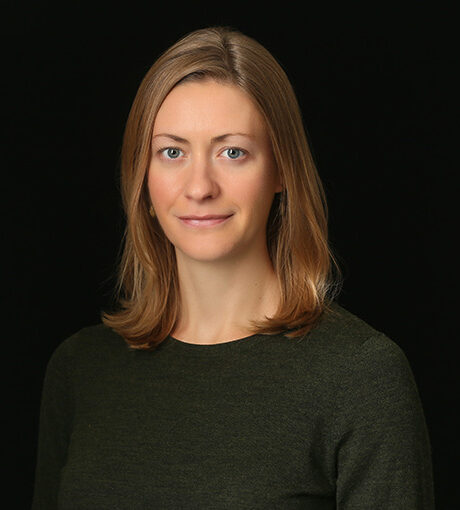
Title: Rethinking Well Interference: Water Quality and Policy Reform in Minnesota
Presentation Deck – Audio
Bio: Caroline Griffith is the Water Program Director at the Minnesota Center for Environmental Advocacy, an environmental law nonprofit that works across all three branches of state government to improve public health and environmental outcomes in Minnesota. She holds a Ph.D. in Geography from the University of Wisconsin Madison and is an adjunct faculty member at the University of Minnesota Law School.
Abstract: In the 50+ year history of Minnesota’s well interference process, there has been an ebb and flow in the extent to which water quality is considered as a component of well interference investigations. In this presentation, we will explore well interference case studies from Watonwan and Scott Counties that exemplify how high-capacity groundwater appropriations have driven water quality changes in public water systems and private wells. These case studies will examine the hydrogeologic context as well as the direct experience of impacted well users, including the realities of sustained community engagement to identify impacts and improve protections for private well users. We will end with policy recommendations for large-volume industrial water users and how to better integrate water quality as an integral component of the well interference process. Our three presenters include a licensed professional geologist, a local community advocate, and a water policy professional.
Daryl Karasch – Traut Companies
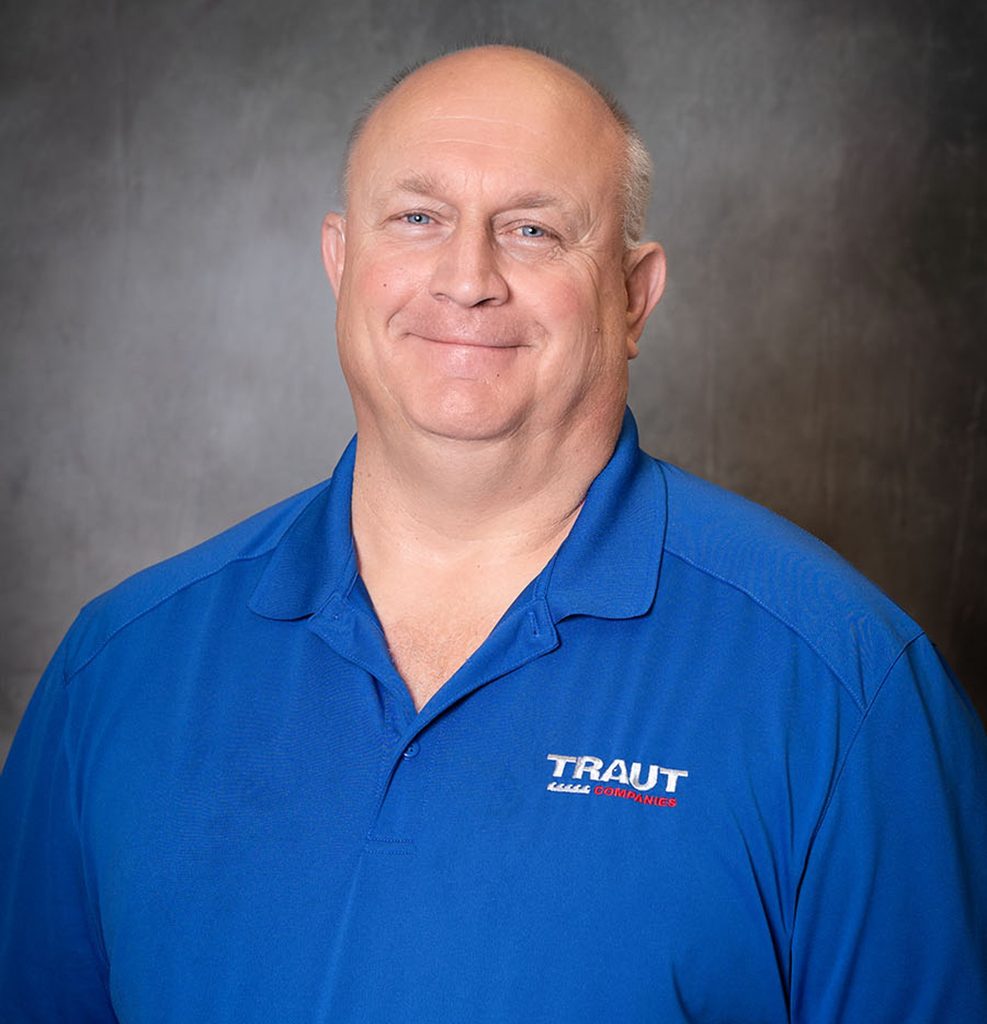
Title: Collecting Groundwater Samples During Sonic Drilling Process
Audio
Abstract: Traut Companies would like to present 3 methods to collect water quality samples using the sonic drill process.
These methods have been tested and produce quality results. The importance of accurate profile sampling can save everyone a lot of money and helping understand what the aquifers have in them and how it is traveling through the aquifers.
Bob Karls – Northern Waters Land Trust
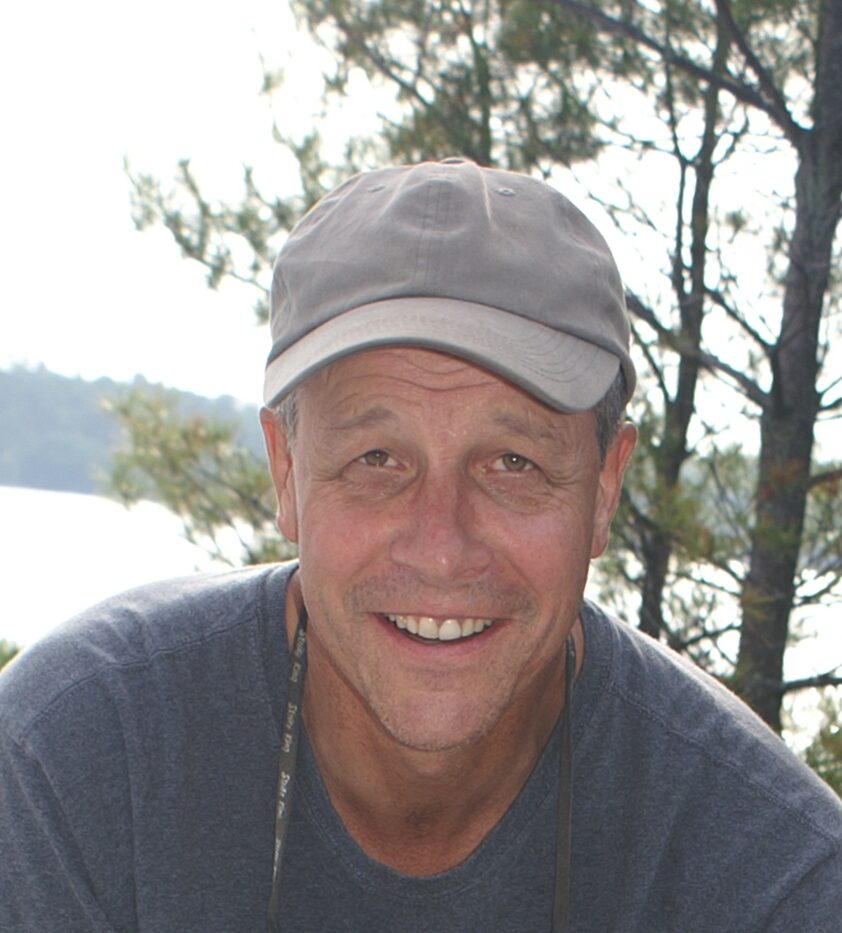
Title: Drinking Water Quality and Hydrogeological Analysis Near Site of Proposed Manganese Mine in Emily, Minnesota
Presentation Deck – Audio
Bio: Bob is a hydrogeologist with over 45 years of experience in solving environmental challenges. He has spent 40 years in consulting but has also worked for the Minnesota Pollution Control Agency and the US Geological Survey. Bob and his wife have been invested in a lifetime of experiences for their children and now grandchildren in the waters and woods of Aitkin County and north central Minnesota and he is passionate about the legacy that we will be leaving for future generations. Bob is a former MGWA President serving in 1988 and served as an officer until 1992. “We were very “enthusiastic” about getting students involved in MGWA (like Cate) 30 years ago.”
Abstract: A proposed manganese mine in Emily, Minnesota, situated on the northern end of the Cuyuna Iron Range, has raised concerns about potential impacts to water quality. Unconfined sand and gravel glacial outwash is the primary aquifer in the region, with depth to groundwater starting at 15 ft. The shallow water table, direct hydraulic connection with nearby surface water, and relatively high hydraulic conductivity all contribute to the vulnerability of the aquifer to contamination from mining activity. This poses health concerns as ingestion of manganese can have neurotoxic effects, including impaired cognitive development in children and Parkinson-like symptoms in adults. This research seeks to establish manganese levels in residential drinking water wells and surface water as well as analyze geochemical and stratigraphic controls on manganese. Several rounds of sampling, encompassing 30 unique wells and 17 surface water bodies, have been conducted in collaboration with the Emily Mine Information Group. All samples were sent to an accredited laboratory for analysis of manganese, iron, and arsenic. Additionally, measurements of pH, dissolved oxygen, and electrical conductivity were made. Manganese concentrations in wells are highly variable, ranging from undetectable to over 1000 µg/L. Surface water concentrations are generally low, apart from a few streams. Anoxic, reducing conditions and the positioning of well screens directly beneath localized glacial till units have been investigated as factors associated with the occurrence of higher manganese concentrations. This research could inform well drilling and completion methods, reducing the exposure of well users to elevated manganese concentrations in drinking water.
Janelle Kuznia – U of MN Humphrey School of Public Affairs
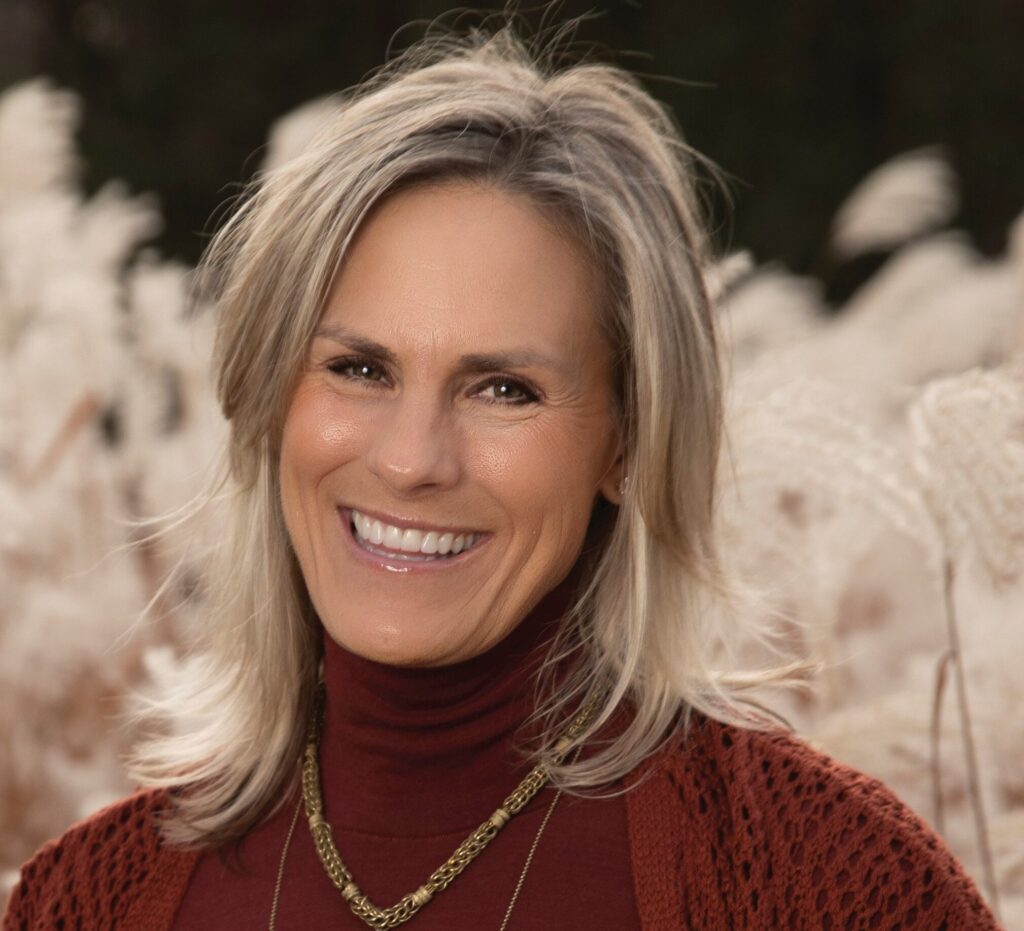
Title: Rethinking Well Interference: Water Quality and Policy Reform in Minnesota
Presentation Deck – Audio
Bio: As a grassroots advocate for groundwater protection and private well rights in Minnesota, I bring a background in business ownership, organizational leadership, and community engagement to raise awareness of groundwater issues and help private well owners have a voice in decisions that affect their water. As a student at the University of Minnesota’s Humphrey School of Public Affairs, I am deepening my knowledge of public policy and governance to advance practical solutions for groundwater sustainability. I am passionate about bringing people together, building collaborative relationships, and helping communities navigate complex issues to protect our shared water resources for future generations.
Abstract: In the 50+ year history of Minnesota’s well interference process, there has been an ebb and flow in the extent to which water quality is considered as a component of well interference investigations. In this presentation, we will explore well interference case studies from Watonwan and Scott Counties that exemplify how high-capacity groundwater appropriations have driven water quality changes in public water systems and private wells. These case studies will examine the hydrogeologic context as well as the direct experience of impacted well users, including the realities of sustained community engagement to identify impacts and improve protections for private well users. We will end with policy recommendations for large-volume industrial water users and how to better integrate water quality as an integral component of the well interference process. Our three presenters include a licensed professional geologist, a local community advocate, and a water policy professional.
Phillipe Lima – University of MN
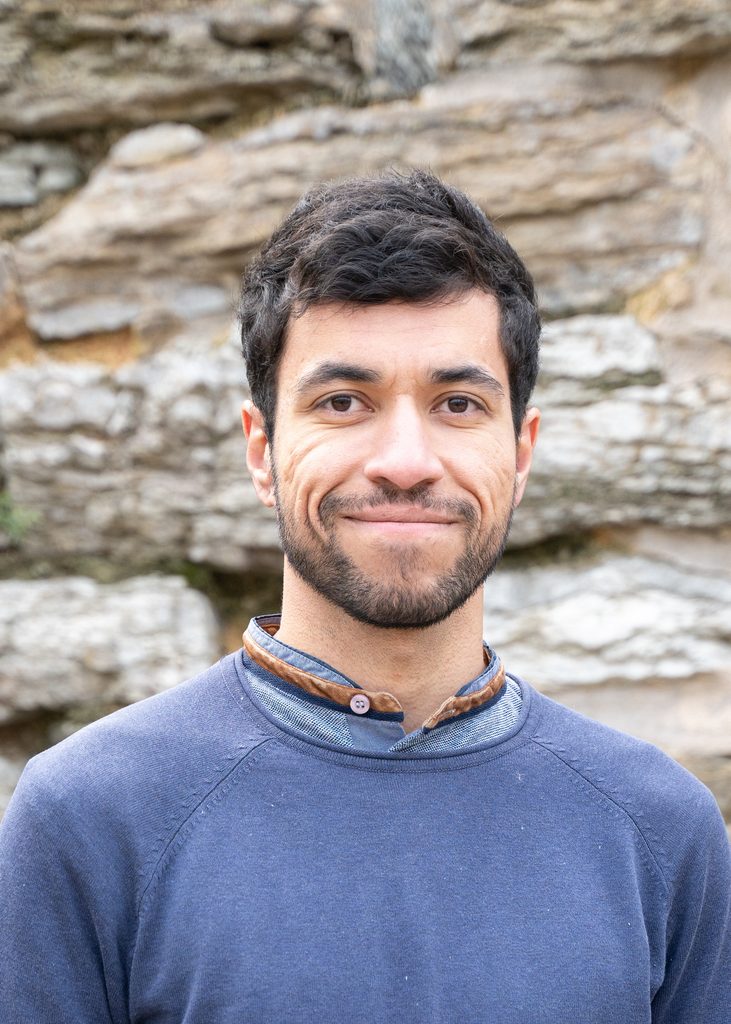
Title: Combining Hydraulic Tomography and Continuous Time Random Walk for Characterizing Anomalous Solute Transport in Fractured Aquifers
Presentation Deck – Audio
Bio: Phillipe Lima is a Ph.D. candidate in hydrogeology at the University of Minnesota (Kang Research Group), with a B.S. in Geology from the University of São Paulo (2022). His work combines field testing and modeling of fractured limestone Platteville Formation. Data from multi-level packer and multi-zone injection tests, analyzed with pressure-derivative diagnostics, inform 3D hydraulic tomography inversions in MODFLOW 6 and PEST++ with pilot points, Tikhonov regularization, and FOSM uncertainty analysis. The resulting conductivity fields drive transport modeling with MODFLOW 6 particle tracking and a correlated continuous time random walk framework. Phillipe also develops open-source QGIS plugins for managed aquifer recharge.
Abstract: Predicting solute transport in fractured carbonate aquifers is challenging due to complex multiscale heterogeneity. Models calibrated solely to hydraulic dataset [AR1.1]can fit measured drawdowns but fail to predict transport, since transport is controlled by small-scale heterogeneity and connectivity to which hydraulic data are largely insensitive. Particle tracking through the hydraulically calibrated hydraulic conductivity (K) field thus cannot reproduce anomalous transport. We apply a multi-scale characterization framework to a fractured carbonate aquifer at the University of Minnesota Twin Cities, where tracer tests over multiple years revealed strongly anomalous transport.
Hydraulic tomography (HT) inversion of multi-well injection tests, using packer- and slug-test results as prior[AR2.1] information, resolved the large-scale K field and fit the hydraulic dataset well. However, MODFLOW particle tracking (PRT) on this field poorly reproduced the tracer tests, confirming that sub-grid heterogeneity that controls transport is not captured by regularization.
To recover this heterogeneity, we superimpose a spatially correlated Continuous Time Random Walk (CTRW) on PRT trajectories. Transit times along each particle path is resampled from a truncated power law (TPL) anchored to the local HT velocity, with successive deviations correlated via a Bernoulli persistence process. This decomposes the velocity field into an HT-resolved large-scale mean and a CTRW small-scale deviation, each constrained by independent data: the large-scale K by the hydraulic head responses, and the CTRW parameters by the shape and timing of the breakthrough curve.
Beyond reproducing the BTC tail slope and peak time, the fitted CTRW parameters are physically interpretable: the TPL exponent quantifies the degree of sub-grid velocity heterogeneity, and the persistence parameter is related to the correlation length of the sub-grid variability. This multi-scale framework links HT-resolved K structure to CTRW-parameterized sub-grid heterogeneity, advancing anomalous transport prediction in fractured aquifers.
Cate Stacy – Macalester College
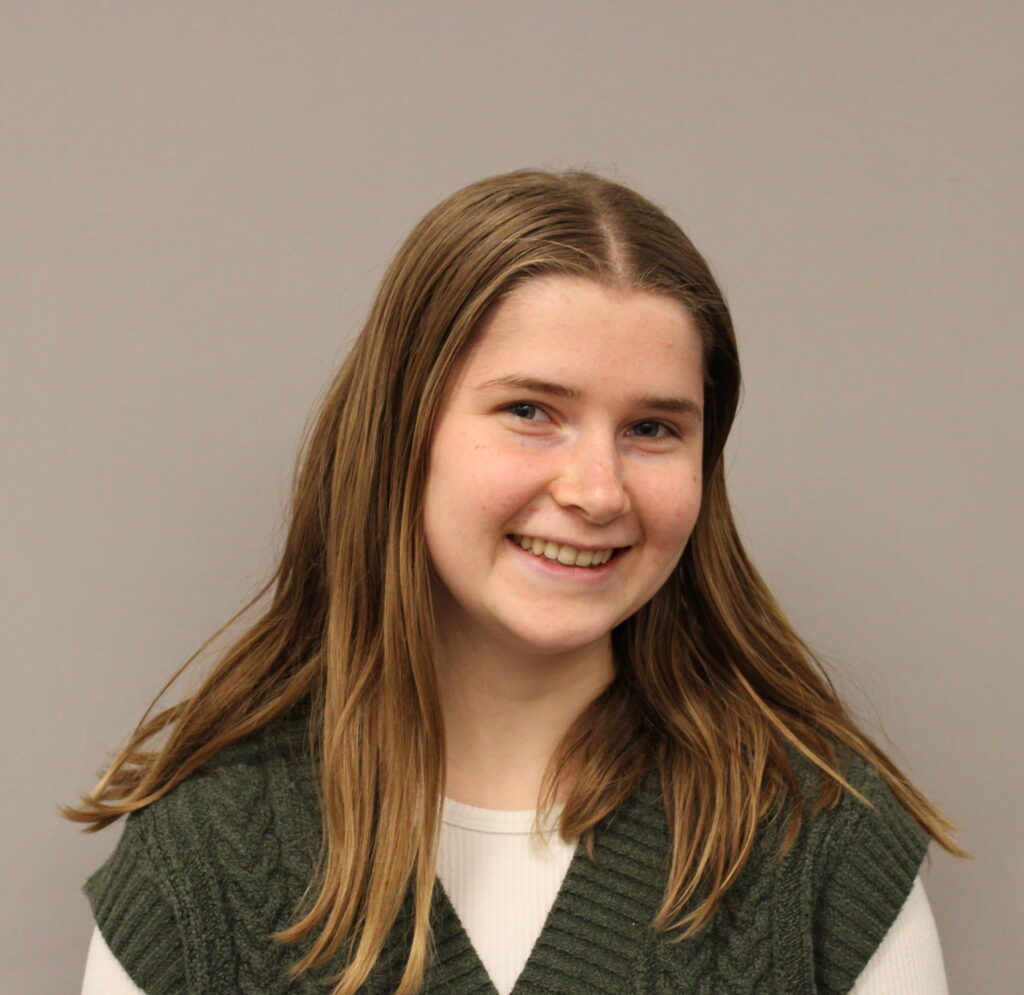
Title: Drinking Water Quality and Hydrogeological Analysis Near Site of Proposed Manganese Mine in Emily, Minnesota
Presentation Deck – Audio
Bio: I am a senior at Macalester College majoring in Geology and Environmental Studies and minoring in Data Science. Currently, I am conducting community-engaged research for my honors thesis on hydrogeologic controls on drinking water quality near the site of a proposed manganese mine in Emily, Minnesota. Additionally, I work as an intern at the Minnesota Department of Health where I support the Drinking Water Protection Section’s efforts to reduce lead exposure from drinking water in schools and child care facilities. I am interested in studying contaminant hydrology in graduate school and plan on pursuing a career in water resources. In my spare time, I enjoy spending time with my family and friends and staying active outdoors.
Abstract: A proposed manganese mine in Emily, Minnesota, situated on the northern end of the Cuyuna Iron Range, has raised concerns about potential impacts to water quality. Unconfined sand and gravel glacial outwash is the primary aquifer in the region, with depth to groundwater starting at 15 ft. The shallow water table, direct hydraulic connection with nearby surface water, and relatively high hydraulic conductivity all contribute to the vulnerability of the aquifer to contamination from mining activity. This poses health concerns as ingestion of manganese can have neurotoxic effects, including impaired cognitive development in children and Parkinson-like symptoms in adults.
This research seeks to establish manganese levels in residential drinking water wells and surface water as well as analyze geochemical and stratigraphic controls on manganese. Several rounds of sampling, encompassing 30 unique wells and 17 surface water bodies, have been conducted in collaboration with the Emily Mine Information Group. All samples were sent to an accredited laboratory for analysis of manganese, iron, and arsenic. Additionally, measurements of pH, dissolved oxygen, and electrical conductivity were made. Manganese concentrations in wells are highly variable, ranging from undetectable to over 1000 µg/L. Surface water concentrations are generally low, apart from a few streams. Anoxic, reducing conditions and the positioning of well screens directly beneath localized glacial till units have been investigated as factors associated with the occurrence of higher manganese concentrations. This research could inform well drilling and completion methods, reducing the exposure of well users to elevated manganese concentrations in drinking water.
You must be logged in to post a comment.