2026 MN Ground Water Association Spring Conference
Thursday, April 23rd
Heritage Center in Brooklyn Center
Speakers listed in alphabetical order:
Scott Alexander – Darcy Solutions
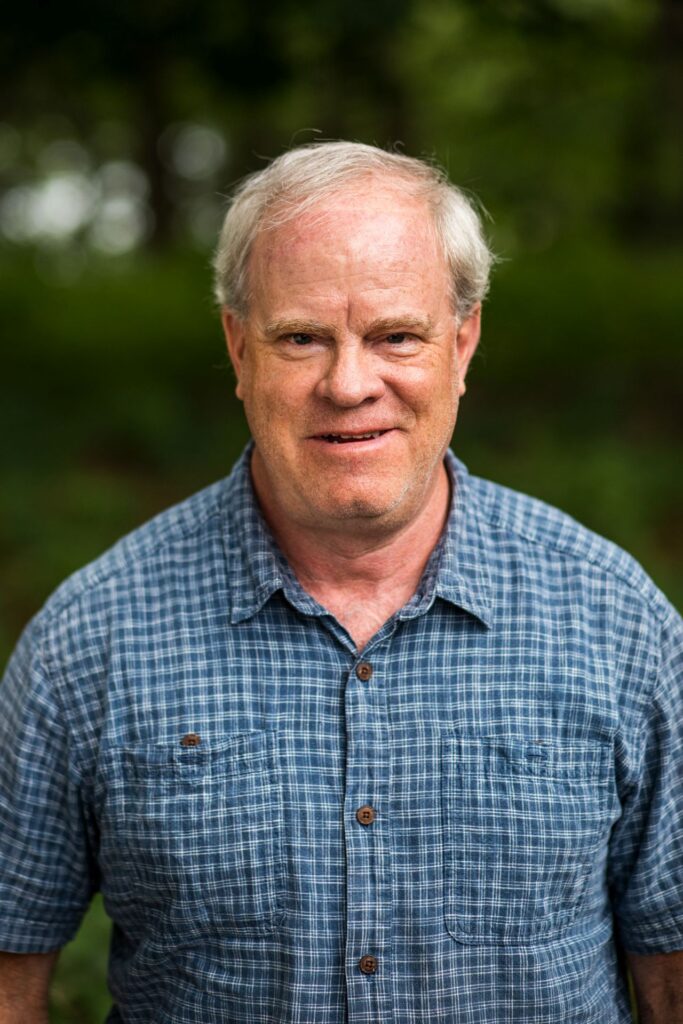
Title: The Influence of Groundwater Modeling on the Concept of Groundwater Age
Abstract: Our conceptualization of groundwater flow has evolved from its origins in the 19th century with Paramelle and Darcy (1856). From the 1850s to 1950s researchers including Dupuit (1867), Chamberlin (1885), Heimhalt (1912), Tolman (1937), and Polubarinova-Kochina (1952) clearly understood the importance of heterogeneous flow. In the mid-20th century this changed abruptly with the derivation of groundwater flow under strictly porous media conditions (Huppert, 1956). Subsequent computer models built this out to an extreme level (Toth, 1963). In the 1980s the USGS developed MODFLOW becoming the de facto standard for aquifer simulation entrenching porous media flow. Starting in the karst community in the late 20th century and expanding to the larger groundwater community in the 21st century the importance of heterogeneous flow reemerged. Current research extends heterogeneous flow from carbonates into sandstones and even unconsolidated sands.
The application of porous media flow leads to horizontal flow domination leading to further simplification as piston flow. Piston flow is an important concept in the development of groundwater age. It allows simple, tractable models applying chemical and isotopic tracers to calculate “apparent” ages as a simple end-point. This is the root of discrepancy between calculated ages and observed contaminant transport.
Groundwater age is a vital concept and is invaluable in communicating the need to value and protect groundwater resources. Calculated ages need to be reconciled with the understanding that they represent complex averages of flow rates even within a single aquifer. These “error bars” are larger than the uncertainty of measured input values.
Bio: Chief Geologist 2022 to present Darcy Solutions Groundwater Research Scientist 1986 to 2022 UM Earth & Environmental Sciences Senior Hydrogeologist 2005-2016. UM Environmental Health & Safety. Instructor 1995-2022 Lead instructor for the Hydrogeology Field Camp ESCI 4971/5971. Rotating instructor for General Hydrogeology ESCI 4702, Earth Resources ESCI 3005, and Water & Society ESCI 3004 Scott and long time collaborator, E. Calvin Alexander Jr., developed the foundational tools for defining groundwater age in Minnesota.
Working across time scales from short residence time Karst systems (minutes, days, years), to shallow bedrock and glacial outwash aquifers (decades to centuries), to deep Paleozoic aquifers (centuries to 10s of millennia), and deep hard rock systems (millions to billions years). A large part of this work focused on radioactive isotopes especially Tritium and Carbon-14. A large suite of chemical and stable isotopic parameters informed the interpretation of isotopic ages. At short time scales natural and man-made tracers, especially fluorescent dyes, were employed.
Of note, short term and annual temperature signals were also used to define groundwater flow systems, leading in part to the development of water based geothermal HVAC systems at Darcy Solutions. With over 100 commercial scale installations around the U.S. Darcy Solutions is a rapidly growing company with over 50 employees.
John Barry – DNR

Title: Groundwater Atlas Program Residence Time Data
Abstract: The Minnesota Department of Natural Resources works collaboratively with the Minnesota Geological Survey to map and characterize aquifers and groundwater through the Groundwater Atlas Program. Since the early 1990s, the Groundwater Atlas Program has sampled waters for tritium, carbon-14, and inorganic chemistry to characterize groundwater residence time. Determining residence time allows for better hydrogeologic evaluations of how long it might take contaminants to move from the land surface to an aquifer. The residence time calculations obtained from groundwater chemistry sampling are used to assist with estimating aquifer pollution sensitivity.
In this presentation we will give a brief overview of Groundwater Atlas Program products that include residence time estimates, methods used, statewide results, and how to access these data.
Bio: John Barry is a senior hydrologist at the Minnesota Department of Natural Resources in the Groundwater Atlas Program. His work is focused in southeast Minnesota and includes: county-scale projects that use geologic and geochemical data and geographic information systems (GIS) to create reports and maps of aquifer pollution sensitivity, dye trace investigations, spring monitoring, and karst-aquifer characterization
Reid Brown – MN Sea Grant Science & Policy Fellow

Poster Title: A Multi-Tracer Approach to Assessing Relative Groundwater Age and Aquifer Vulnerability in the Root River Watershed
Abstract: As a 2025 Minnesota Sea Grant Science and Policy Fellow, I will work with the Minnesota Department of Natural Resources (DNR) in its Ecological and Water Resources Division. In this role, I will evaluate the existing policy language and other tools used by the DNR to ensure that groundwater usage remains sustainable. I will also analyze water conservation data provided by permitted users to better inform program compliance.
Bio: I am a current Ph.D. student in the University of Minnesota Twin Cities’ Plant and Microbial Biology program. I am interested in better understanding greenhouse gas dynamics and emissions pathways in inland lakes, with a focus on methane. My dissertation work focused on exploring the seasonal differences of these emissions, along with the drivers that exacerbate these emissions. Additionally, I am interested in increased methane accumulation as a water quality issue to account for, as methane oxidation often consumes oxygen and may deplete it to critically low levels in lakes.
Maya Gilchrist – MN Dept. of Health
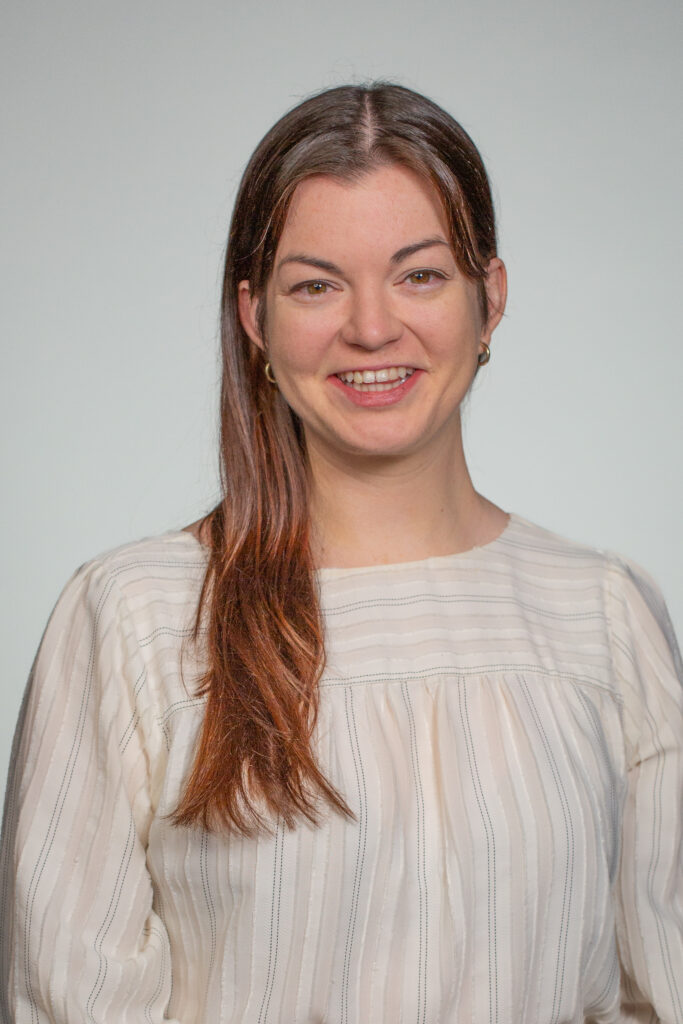
Title: A Multi-Tracer Approach to Assessing Relative Groundwater Age and Aquifer Vulnerability in the Root River Watershed
Abstract: The Drinking Water Ambient Monitoring Program (DWAMP) establishes permanent, ongoing capacity within the Minnesota Department of Health (MDH) to address public health concerns about exposure to unregulated contaminants in drinking water and support advanced decision making regarding long-term water resource management. One objective of DWAMP is to identify areas and aquifers that are vulnerable to contaminants at the ground surface via one-time private well monitoring in target watersheds. This is particularly critical given that recent waters (groundwater recharged in the last ~70 years) contain most of the anthropogenic contaminants found in drinking water.
In 2024, groundwater samples were collected from the Root River watershed and analyzed for major cations and anions, groundwater tracers, PFAS, nitrate, and parameters of potential public health concern for private well users. Tritium was detected in wells across nine out of thirteen aquifers sampled. While concentrations of anthropogenic contaminants—PFAS, nitrate, chloride, and chloride as a chloride/bromide ratio—were significantly higher in wells with detectable tritium, tritium detection alone could not account for all occurrences. However, when used in conjunction with other indicators of well vulnerability to recent recharge, these indicators could explain nearly all occurrences of anthropogenic chemicals monitored and expanded the number of vulnerable aquifers from nine to twelve. We conclude that recent waters in the watershed have been impacted by land surface activities and that using a variety of chemical tracers, in addition to tritium, is essential in gaining a more complete understanding of relative groundwater age and locations of recent waters.
Bio: Maya is a hydrologist in the Drinking Water Ambient Monitoring Program at MDH, where she’s been for a little over 2 years. Previously, she has worked for MPCA doing PFAS program work and as a geologist in the private sector doing groundwater assessment and remediation. She completed her B.S. in Environmental Science at Northeastern University in 2017 and her M.S. in Earth Science at the University of Minnesota Twin Cities in 2022.
George Hudak – George Hudak Geosciences P.L.L.C.
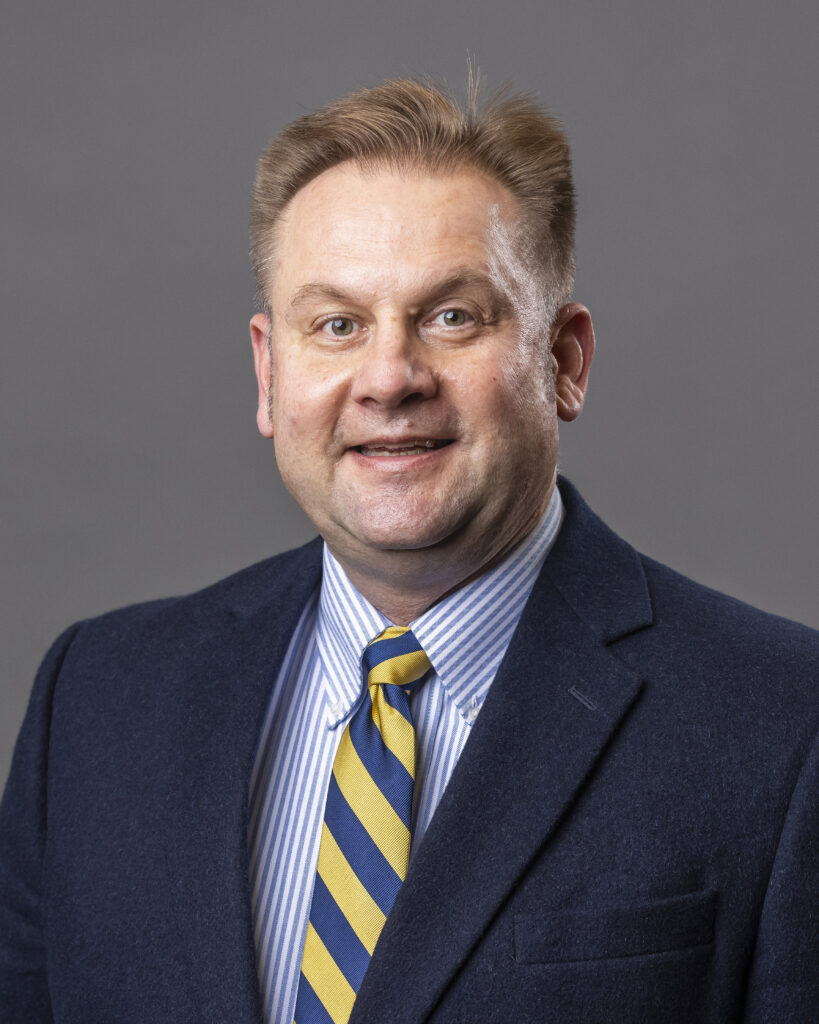
Title: How Scandals Have Shaped Ethics in the Minerals Industry
Presentation Deck – Audio Part 1 Audio Part 2
Abstract: Investment in mineral resource exploration projects has always been a relatively high-risk venture, as in general, less than 1% of these exploration projects ever are developed into a producing mine. Mineral project investment scams have probably been part of mineral development since the first mineral deposits were discovered….they work because the scammer gains the trust of investors, scammer and investor greed, investor optimism, and most importantly, investors’ lack of knowledge of the complexity of mineral resource evaluation. This presentation will review ethics and morals, the social license to operate, and review perhaps the biggest mining scandal in the past in the past 30 years, the Bre-X scandal. It will also review major changes regulators have made regarding how the minerals industry makes exploration project information available to the public, all in an effort to minimize unethical practices in the industry.
Bio: Dr. George Hudak is an economic geologist/applied volcanologist with specific expertise in exploration for Precambrian volcanic-, magmatic- and structurally-hosted base-, precious metal-, and critical mineral deposits and their associated mineralizing systems. Develop-ment of high value mineral products, more efficient utilization of mineral resources and mining infrastructure, evaluation of large-scale renewable energy storage systems, and development of new models related to the genesis of many mineral deposit types in the Lake Superior area of Canada and the United States have been key components of the industry-, state-, and federally-funded research he has focused on over the last two decades of his career.
Dr. Hudak received his Bachelor’s, Master’s and Ph. D. degrees at Carlton College, the University of Minnesota Duluth, and the University of Minnesota, respectively. Following a one-and-one-half year post-doctoral position at the University of Minnesota Duluth, Dr. Hudak spent 11 years as a Professor in the Geology Department at the University of Wisconsin Oshkosh. He subsequently spent 15 years as a Senior Research Associate and Director of the Minerals and Metallurgy Applied Research Group at the Natural Resources Research Institute (better known as NRRI), an applied research laboratory at the University of Minnesota. After retiring from the NRRI in fall, 2023, Dr. Hudak started George Hudak Geosciences P.L.L.C., a consulting firm in Duluth that specializes in research, strategy and education associated with mineral resources. He also serves as an Adjunct Professor of Geology in the Departments of Earth and Environmental Sciences at the University of Minnesota Twin Cities and the University of Minnesota Duluth, and as a Technical Advisor to Green Bridge Metals Corporation, a junior mineral exploration company currently conducting an exploration program to evaluate critical mineral deposits in Minnesota’s Duluth Complex.
Dr. Hudak holds Professional Geologist licenses in Minnesota and Wisconsin, and a Professional Geoscientist License in the Province of Ontario, Canada. He is a Fellow of the Society of Economic Geologist and has served as a Mentor for the Society since 2008.
Bryant Jurgens – US Geological Survey
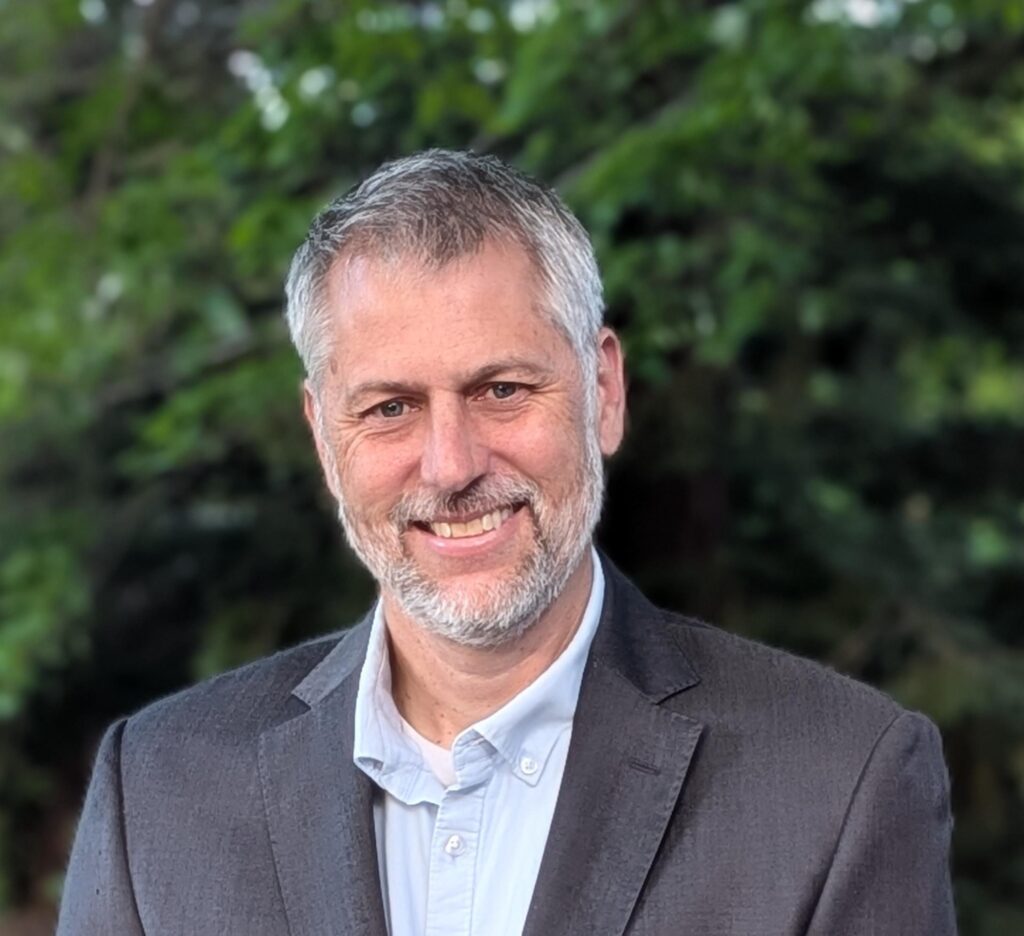
Title: Using Groundwater Age to Guide Long-Term Groundwater-Quality Management
Abstract: Groundwater age provides a powerful organizing framework for interpreting contaminant occurrence and anticipating future water-quality conditions. This presentation highlights two complementary applications in California that demonstrate how age-based tools can support groundwater-management decisions. First, modeling the legacy fumigant DBCP shows how groundwater-age distributions can reconstruct historical loading, explain observed rise-peak-decline behavior in long-term monitoring data, and forecast the persistence of contaminants that migrate slowly through alluvial aquifers. Age-informed transport simulations indicate that DBCP may persist above regulatory levels in some wells for decades, underscoring the long timescales governing aquifer remediation and the importance of age data for planning treatment and well-field operations. Second, mapping the depth of post-1950s recharge (D-1950) across the Central Valley demonstrates how age tracers can delineate the moving interface between modern and premodern groundwater. Because D-1950 can be spatially interpolated and projected in time, it provides a practical, cost-effective approach for identifying wells vulnerable to contaminants associated with modern recharge, even where age tracers have not been measured. This enables managers to screen large well populations for susceptibility and to target depth zones for new well construction. Together, these examples illustrate how groundwater-age methods offer scalable, actionable tools for forecasting contaminant trends and supporting long-term groundwater-resource management.
Bio: Bryant Jurgens is a Research Hydrologist with the USGS who’s been working in groundwater science for more than two decades. Bryant specializes in groundwater age dating and developing software tools that support tracer-based hydrologic analysis. Bryant holds a master’s degree in Hydrology and a bachelor’s degree in Soil and Water Science from the University of California at Davis.
Kim Kaiser – Minnesota Department of Environmental Quality
Title: Understanding Groundwater Age for the Implementation of the Groundwater Protection Rule
Abstract: Nitrate is one of the most common contaminants in Minnesota’s groundwater, and in some areas of the state a significant number of public and private wells have high nitrate levels. Reducing nitrate in groundwater is challenging, particularly under row crop production in vulnerable geologic settings. Lag times (months to years) between changes in management practices and changes in groundwater quality can be difficult to quantify.
The Minnesota Department of Agriculture works with technical partners to integrate the best available science to monitor and assess nitrate in groundwater at multiple scales. This includes overlapping regulatory and voluntary approaches – including the Groundwater Protection Rule (GPR). The GPR applies to the use of nitrogen fertilizer and focuses on protecting groundwater. It went into effect in June 2019 and contains two parts: 1) restriction of fall fertilizer application in vulnerable groundwater areas and 2) responding to Drinking Water Supply Management Areas (DWSMAs) for public water supply wells that have high nitrate levels.
The GPR becomes regulatory if BMPs are not adopted on 80% of cropland in the DWSMA or if nitrate concentration significantly increases in the public well or monitoring well network. As MDA evaluates nitrate trends, understanding groundwater age and lag time is crucial for determining whether monitoring data represents current land use and when measurable improvements can be expected. To support realistic expectations and effective prioritization, MDA is incorporating groundwater age tracers and multiple lines of evidence while working collaboratively with farmers to implement practices that improve groundwater quality over time.
Bio: Kim Kaiser has been with the Minnesota Department of Agriculture as a Hydrologist since July of 2010 and is currently the groundwater monitoring unit supervisor. She received her B.S. in Environmental Geology with an emphasis in hydrogeology from the University of Wisconsin- Eau Claire and her M.S. in Environmental Science, Policy and Law from the University of Idaho. Although a native of western Wisconsin, she spent over 10 years working on water quality issues in Southeast Idaho. Kim and her family thoroughly enjoyed living and playing in the Northern Rockies but are happy to be back in the mid-west, near their families and more water!
Daryl Karash – Traut Company
Title: Sonic Well Drilling/Methods
Abstract: This presentation will cover the core procedures and best practices involved in sonic well drilling and the investigative capabilities this drilling method provides. It will outline how sonic drilling can be used to obtain high-quality, continuous soil cores and the proper techniques for soil sampling, understanding and interpreting sonic samples, and maintaining proper hole control during drilling operations. The presentation will also discuss drilling through both unconsolidated formations and bedrock, along with an overview of underground hydraulics and the methods used to manage and control groundwater conditions encountered during drilling.
In addition, our presentation will address the use and installation of temporary and permanent liners, procedures for aquifer testing to evaluate water quality and production capacity, and the installation of monitoring or production wells including both screened and open-hole completions.
Operational logistics and environmental management will also be covered, including proper containerization practices such as the use of drums versus dumpsters for managing drill cuttings, drilling fluids, and water sampling fluids. The presentation will review efficient methods for handling and disposing of soil and water generated during drilling, including processing drilling fluids to remove solids using a centrifuge system and treating water through a Granular Activated Carbon (GAC) filtration system when required. Finally, it will outline best practices for transporting and hauling drilling soil and water to approved landfill or disposal facilities, ensuring compliance with environmental regulations and responsible site management.
Jana Kramer – University of Minnesota
Title: A GIS Tool for Mapping Aquifer Recharge Potential
Presentation Deck – Lightning Talk Audio
Abstract: Groundwater demand is increasing as population grows and climate variability
intensifies, creating challenges for groundwater management. Managed aquifer
recharge (MAR) is an increasingly important strategy for managing groundwater. Two
methods of MAR are subsurface recharge through injection wells and surface-based
recharge through infiltration basins.
For injection well-based MAR, the distinction between fractured- and porous-media
aquifers is critical, as fracture-controlled flow can significantly impact injection capacity,
pressure response, and long-term recharge performance. For infiltration basins, reliable
estimates of infiltration rates and percolation behavior depend on key soil hydraulic properties, including capillary pressure-saturation and saturation-hydraulic conductivity relations.
Site suitability mapping is a critical first step in identifying appropriate MAR locations .Geographic Information Systems (GIS) tools can support site suitability analysis and early-stage planning and assessment. However, no tools currently exist to support all
processing steps for MAR planning.
We are developing GIS-based tools in the form of a QGIS plug-in for MAR project planning. For injection well-based MAR, the tool produces a potential injection capacity map, using well construction information, target aquifer data including presence of
fractures, and operational parameters (e.g. injection duration). There are two parts for infiltration-based MAR: the first requires a DEM and depth to water and produces a qualitative map of potential ; the second requires County Geologic Atlas data and
produces an estimate of infiltration capacity using the Ferrante equation.
Supported by the Minnesota Environment and Natural Resources Trust Fund as
recommended by the Legislative-Citizen Commission on Minnesota Resources
(LCCMR).
Phillipe Lima – University of Minnesota
Title: A GIS Tool for Mapping Aquifer Recharge Potential
Presentation Deck – Lightning Talk Audio
Abstract: Groundwater demand is increasing as population grows and climate variability intensifies, creating challenges for groundwater management. Managed aquifer recharge (MAR) is an increasingly important strategy for managing groundwater. Two methods of MAR are subsurface recharge through injection wells and surface-based recharge through infiltration basins. For injection well-based MAR, the distinction between fractured- and porous-media aquifers is critical, as fracture-controlled flow can significantly impact injection capacity,
pressure response, and long-term recharge performance. For infiltration basins, reliable
estimates of infiltration rates and percolation behavior depend on key soil hydraulic
properties, including capillary pressure-saturation and saturation-hydraulic conductivity
relations.
Site suitability mapping is a critical first step in identifying appropriate MAR locations .
Geographic Information Systems (GIS) tools can support site suitability analysis and
early-stage planning and assessment. However, no tools currently exist to support all processing steps for MAR planning. We are developing GIS-based tools in the form of a QGIS plug-in for MAR project planning. For injection well-based MAR, the tool produces a potential injection capacity map, using well construction information, target aquifer data including presence of
fractures, and operational parameters (e.g. injection duration). There are two parts for infiltration-based MAR: the first requires a DEM and depth to water and produces a qualitative map of potential ; the second requires County Geologic Atlas data and
produces an estimate of infiltration capacity using the Ferrante equation.
Supported by the Minnesota Environment and Natural Resources Trust Fund as recommended by the Legislative-Citizen Commission on Minnesota Resources (LCCMR).
Bio: I am a Ph.D. student at the University of Minnesota in the Department of Earth & Environmental Sciences studying hydrogeology. I graduated from the University of São Paulo in 2022 with a B.S. in Geology and joined Kang Research Group in Fall 2023. As part of my undergraduate thesis, I examined how aquifer thickness variability affects the transmissivity estimates of large-scale pumping tests using numerical simulations. Currently my research focuses on a detailed characterization of a fractured rocks located in Minneapolis through the use of inverse modeling and assessing solute transport predictability of the derived model, coupling field tests and numerical simulations. I am also working on a Managed Aquifer Recharge (MAR) project to estimate the potential aquifer recharge in Minnesota while developing a QGIS tool that aims to help hydrogeologist in the preliminary MAR site assessment. I born and grew up in São Paulo, Brazil. In my free time, I enjoy watching sports and playing video games. I am very interested in strategic thinking, and this strongly influences the way I like to watch sports and the types of games I enjoy playing. Learning about the overcoming stories of great athletes is one thing that motivates me.
Cliford Ndiweni – MPCA
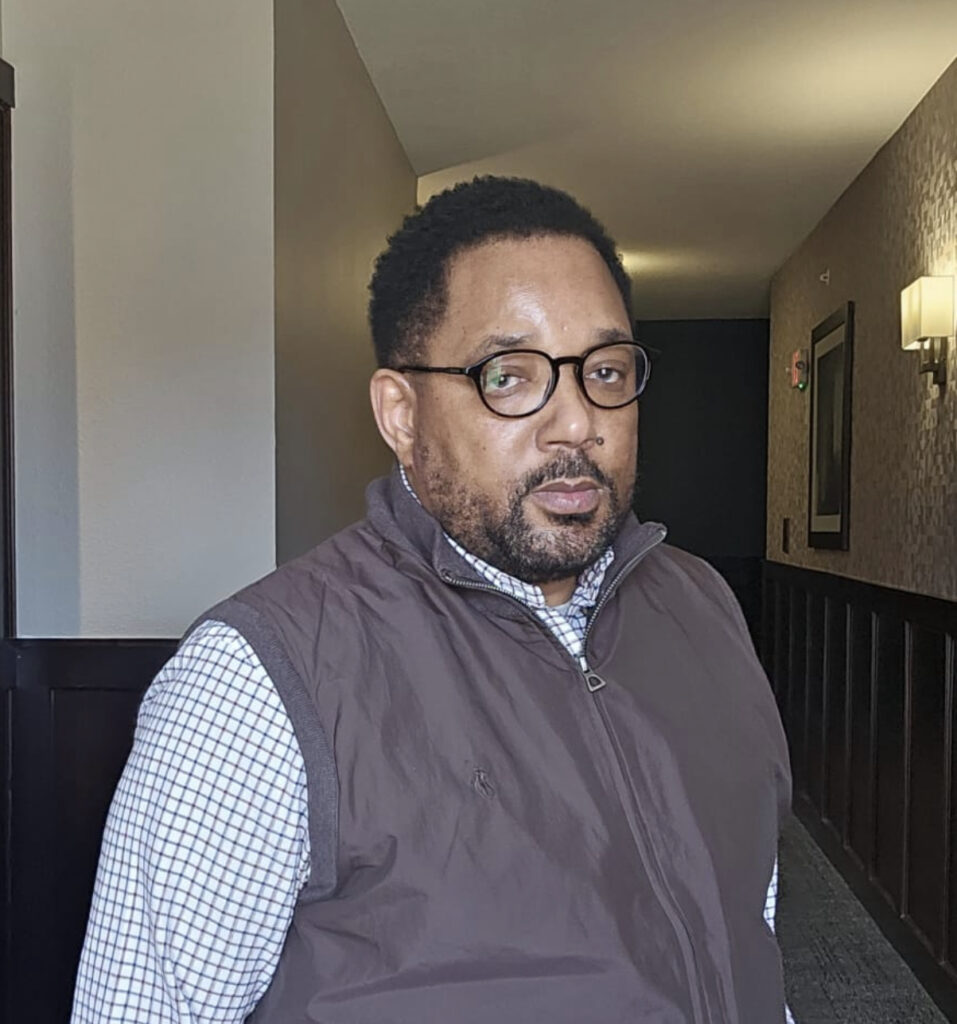
Title: Direct Groundwater Age Simulation as a Tracer to Tag Fluid Masses, Flow Paths and Travel Times within the Capture Area of St Peter Well Fields
Abstract: Direct simulation of groundwater age by use of an advection-dispersion-diffusion transport equation is applied to estimate the movement of nitrates in response to pumping in the City of St Peter drinking water supply wells. Several studies have shown that the estimate of groundwater travel time can be in error if the effects of dispersion and mixing on contaminant transport are ignored. This work presents a groundwater flow model formulation that can be used to perform specific diagnoses on the flow field such as the analysis of flow dynamics and mixing processes, the estimation of the well (outlet) vulnerability, the evaluation of well capture zones and origin nitrate contaminated water. We used groundwater age numerical modeling techniques to assess transit time, flow path and ultimately drinking water wells vulnerability in an unconfined/confined aquifer in the City of St Peter, Minnesota, USA. More importantly, we developed a model formulation that can generally be used to quantify well vulnerability and evaluate capture zones of the wells rather just qualitatively looking at the thickness quaternary sediments overburden. We calculated the lifetime expectancy (LTE) of groundwater and demonstrated that this methodology can be used in any well head protection program for risk-vulnerability assessments and the analysis of groundwater dynamics under pumping conditions. We summed up the groundwater age and lifetime expectancy and used it to predict mean total travel time from recharge to discharge. We then used the exit probability as applied in FEFLOW, to calculate at points (such as a storage pond), the probability for a water parcel to exit the domain at pumping wells and therefore delineate the capture zones of the drinking water wells. We evaluated the exit probability at outlets (wells) and were able to calculate the amounts of water related to the capture zone of the wells. In this way, the proportions of water extracted were calculated according to their origin of infiltration.
Bio: Cliford Ndiweni (he, him) is a Research Scientist in the Environmental Assessment & Groundwater Services Unit, MPCA. Cliford has held various positions in the nuclear, mining and environmental industries in South Africa, Canada and the United States. He received his PhD in Hydrogeology from the Institute of Groundwater Studies at the University of the Free State in South Africa.
Kayla Nelson – DNR
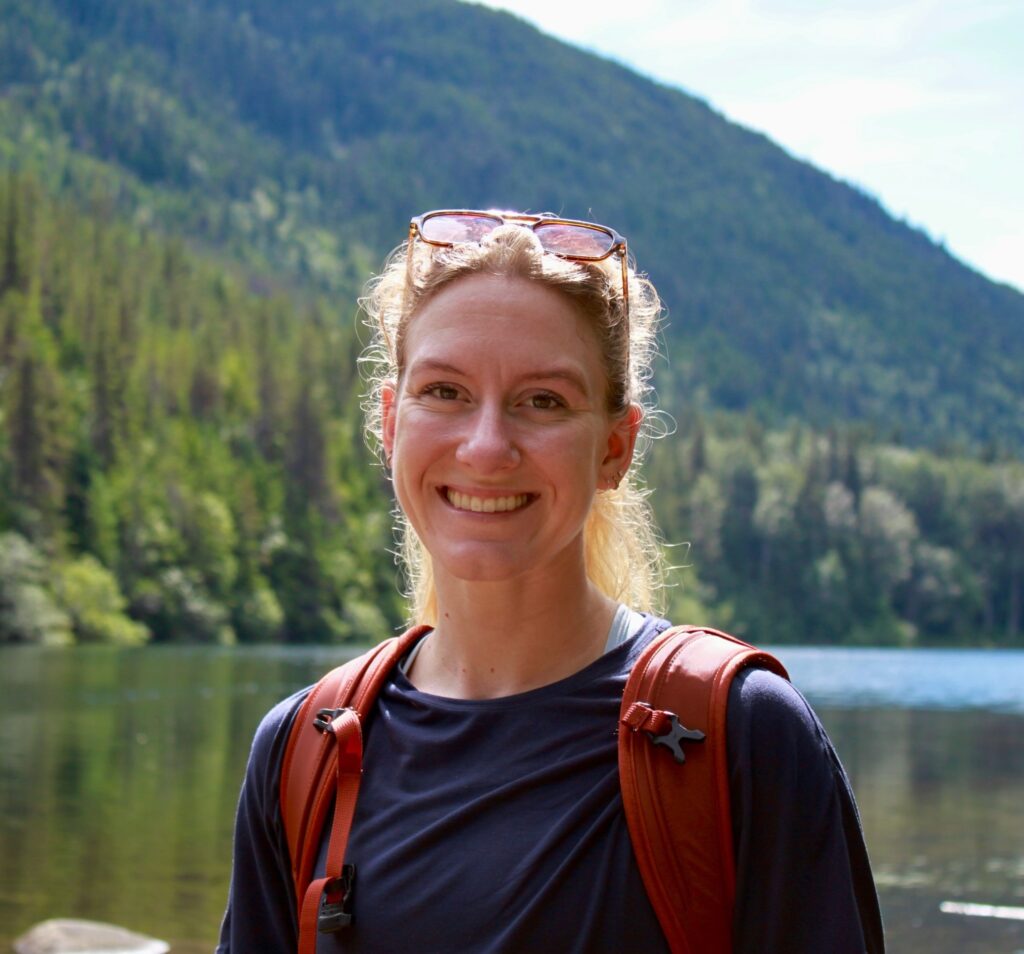
Title: Groundwater Atlas Program Residence Time Data
Abstract: The Minnesota Department of Natural Resources works collaboratively with the Minnesota Geological Survey to map and characterize aquifers and groundwater through the Groundwater Atlas Program. Since the early 1990s, the Groundwater Atlas Program has sampled waters for tritium, carbon-14, and inorganic chemistry to characterize groundwater residence time. Determining residence time allows for better hydrogeologic evaluations of how long it might take contaminants to move from the land surface to an aquifer. The residence time calculations obtained from groundwater chemistry sampling are used to assist with estimating aquifer pollution sensitivity.
In this presentation we will give a brief overview of Groundwater Atlas Program products that include residence time estimates, methods used, statewide results, and how to access these data.
Bio: Kayla Nelson is a hydrogeologist with over 6 years of experience at the State of Minnesota. She has been with the Groundwater Atlas Program at the Minnesota DNR since 2024, where she primarily works on designing groundwater studies, creating maps, and authoring reports in support of County Groundwater Atlases. Prior to the DNR, she worked as a hydrogeologist for the Minnesota Department of Agriculture, where she provided support on environmental remediation of sites contaminated with agricultural chemicals. She is a licensed professional geologist in the state of Minnesota and received her B.S. degree in Earth Sciences from the University of Minnesota in 2019.
Lanya Ross – Metropolitan Council
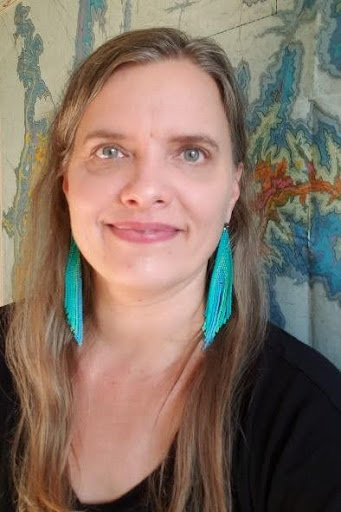
Title: Time to Update the Regional Groundwater Flow Model for the Twin Cities’ Area
Abstract: Regional groundwater models help scientists, water managers, and the public “see” how groundwater moves—across city boundaries, between aquifers, and through time. Because groundwater is largely invisible, its flow paths, recharge areas, and responses to pumping cannot be observed directly. A calibrated regional model integrates decades of water-level data, aquifer properties, pumping records, and recharge estimates to simulate how water moves into, through, and out of complex aquifer systems. In doing so, it provides a shared, science-based picture of groundwater that supports informed decision-making.
The Metropolitan Council developed its regional “Metro Model” to support long-range water supply planning across the eleven-county Twin Cities metropolitan area. The model simulates groundwater flow in multiple aquifers and evaluates how pumping, recharge, and land use changes affect groundwater levels and regional water availability. The Council uses it to test different scenarios, assess long-term and cumulative impacts, and inform regional water policy discussions.
The Metro Model is now being updated to reflect improved hydrogeologic understanding, expanded monitoring data, updated pumping records, and advances in modeling software. The update will improve calibration, enhance flexibility for scenario analysis, and ensure the model remains a credible tool for exploring how groundwater systems respond over time—an especially timely topic given growing interest in groundwater age, travel times, and long-term sustainability.
For MGWA members, this is an opportunity to engage early and help ensure the updated model reflects current science and meets the needs of practitioners, regulators, and researchers who will use it in diverse ways.
Bio: Lanya Ross, a geologist and environmental analyst, has spent the past twenty-five years working on water supply planning issues including water resource monitoring and source water protection planning for the Shakopee Mdewakanton Sioux Community, source water delineation for the Grand Canyon National Park public water supply, and impact analysis of growth and climate projections on groundwater systems. At Metropolitan Council, the regional planning agency for the Twin Cities metro region, Lanya collaborates with over 180 communities and 100 public water utilities on regional water supply planning, policy development, and community engagement. Lanya earned her M.S. (Hydrogeology) from Northern Arizona University and her B.A. (Geology) from Macalester College.
Tony Runkel – Minnesota Geological Survey
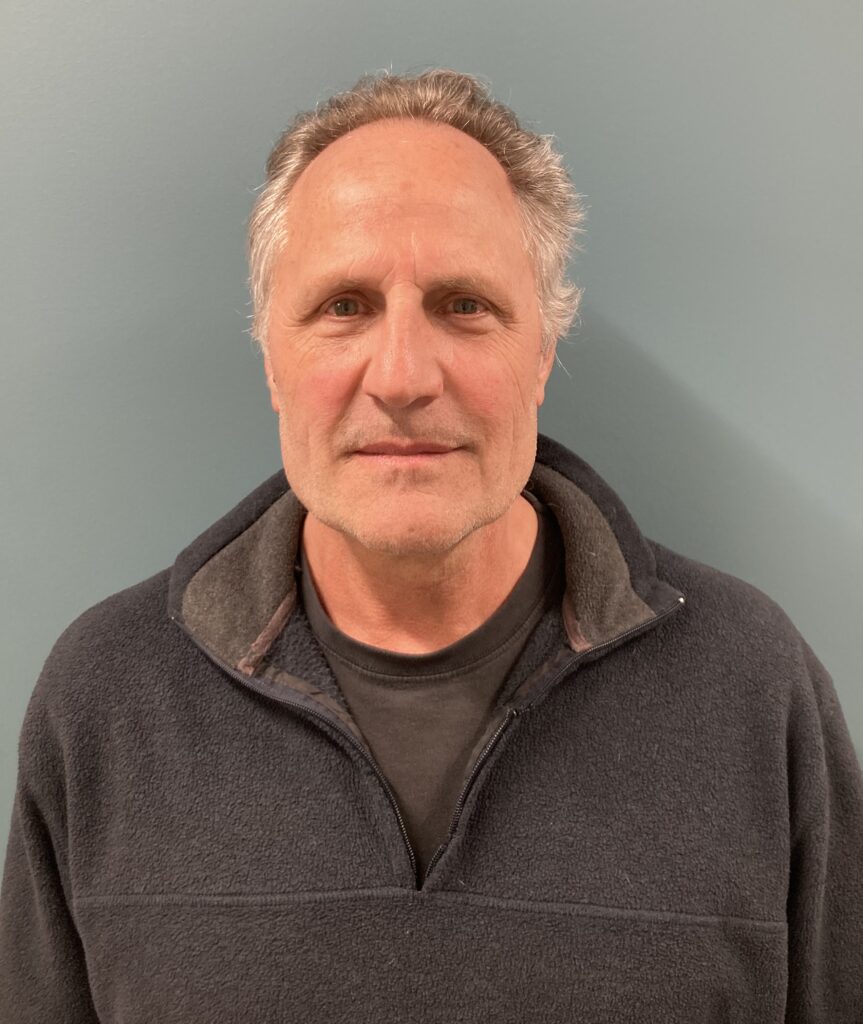
Title: Lag Time in the Multi-Aquifer System of Southeast Minnesota
Abstract: This presentation would serve as a prelude to a presentation given by Kim Kaiser and MDA colleagues. I’d present on the hydrogeologic setting for SE MN, emphasizing what lag time means, and how we quantify it (with a bit of historical perspective), and the extreme variability in lag time across short distances even in individual aquifers. Kim and her colleagues would follow with how lag time is considered in the Groundwater Protection Rule.
Bio: Tony Runkel is the Lead Geologist of the Minnesota Geological Survey, as well as an adjunct professor in the Department of Earth and Environmental Sciences; both are units of the University of Minnesota. His research focuses on the properties of bedrock and sediment that control groundwater flow, especially the transport of contaminants. Tony grew up in Minnesota, and holds a B.A. in Geology from the University of Minnesota, an M.S. from the University of Montana, and a PhD from the University of Texas at Austin.
Laura Schachter – US Geological Survey

Title: A Nitrate Decision Support Tool That Incorporates Groundwater Lag Times to Wells and Streams
Abstract: Nitrate is one of the most common contaminants in wells and streams across agricultural areas of the United States, and chronic exposure is linked to cancer and thyroid disease, eutrophication, and harmful algal blooms. Connecting individual wells or stream segments to land management solutions requires knowledge of the source area, nitrate leaching, nitrogen transformations along groundwater flow paths, and time lags associated with those flow paths. A groundwater nitrate decision support tool (GW-NDST) that incorporates uncertainty in groundwater lag times (and other support model output) was developed for wells and streams across Wisconsin (also in development in portions of IL, IN, MI, & OH). The GW-NDST forecasts nitrate concentrations by combining: 1. simulated nitrate leaching below the root-zone, 2. groundwater age distributions from machine learning or 3D numerical models, 3. statistically estimated oxygen and nitrate reduction rates, and 4. well or stream-specific input from users. Six forecasting scenarios allow users to assess how nitrate concentrations relate to future leaching rates. Statewide coverage, with application at individual well or watershed scales, supports broad application, consistent methods, and ease of implementation by state and local agencies (in addition to well owners). Finally, users are given the flexibility to modify local calibration parameters, which can facilitate collaborative community science based on local knowledge. With an understanding of source areas and lag times, conservation and public health staff can better communicate expectations about the magnitude of conservation efforts and the timeframe required to achieve improved water quality.
Bio: Laura Schachter is a Hydrologist with the U.S. Geological Survey’s Upper Midwest Water Science Center in Madison, Wisconsin. She studied at the University of Wisconsin–Madison and has focused on groundwater and nitrate research since her master’s work. Her work includes groundwater modeling and projects supporting resource managers on water quality, contaminant transport, and decision‑support tools.
Mikell Schoonover – Bemidji State
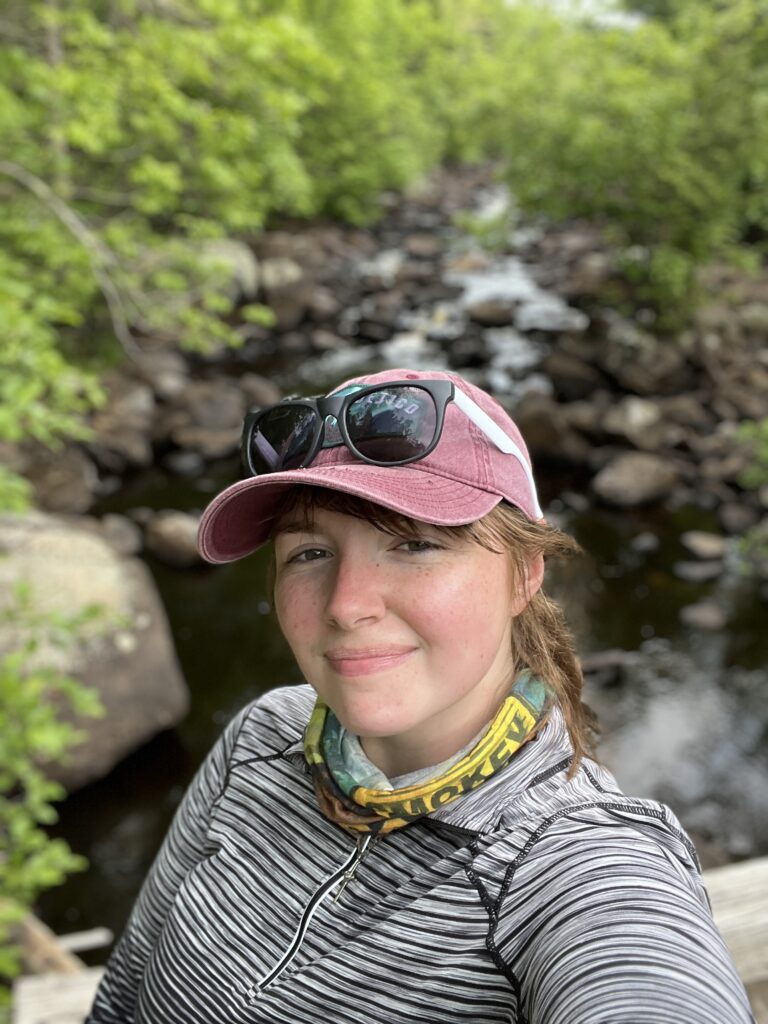
Title: Groundwater Springs in Northeastern Minnesota
Presentation Deck – Lightning Talk Audio
Abstract: The Arrowhead Groundwater Province is categorized as having limited aquifer availability and little glacial drift. This study explores the potential for groundwater – surface water interactions in this region. Local geology is characterized by complex crystalline metaigneous and metasedimentary provinces intersected with northeast-southwest trending faults and thin/absent surficial glacial drift. Groundwater flow primarily occurs through fractured bedrock pathways, often at depths below 300 feet. Under these conditions, surface springs are not typically expected. However, several surface springs have been identified in the proximity of the Burntside Fault and small glacial esker deposits. Beginning in Summer 2025, seasonal field parameters have been collected, including Temperature (C°), Specific Conductance, pH, and DO (%, mg/L) to characterize seasonal water chemistry and evaluate recharge sources. Major ions and isotope analysis to follow. These springs could be an indicator of previously unknown regional groundwater flow patterns in regional crystalline bedrock systems and relationships with local glacial deposits. These springs are an important discovery to the larger discussion of groundwater vulnerability, spring biodiversity, and understanding hydrologic systems in Northeastern Minnesota.
Bio: Mikell Schoonover is a junior at Bemidji State University pursuing a double major in Environmental Science (Hydrogeology) and Geography (Earth Sciences), with a minor in Geology. Through her involvement with the Center for Sustainability Studies at BSU, she has assisted graduate students studying aquifer relationships at the USGS Shingobee Headwaters Aquatic Ecosystems Project alongside Dr. Carl Isaacson and Dr. Miriam Ríos-Sánchez. Prior to attending BSU, she participated in a Keck Geology Consortium Gateway Project with Carleton College under the guidance of Dr. Chloe Fandel, where her research focused on region-wide spring–tributary relationships. This work culminated in a group poster presentation at GSA Connects 2024. These experiences laid the foundation for her current undergraduate research, supported by the S-STEM Scholars Program at BSU. She is studying potential groundwater–surface water interactions related to bedrock fractures and esker systems in northeastern Minnesota under the guidance of Dr. Carl Isaacson. She is grateful for the mentors who have encouraged and challenged her throughout her academic journey. After completing her undergraduate degree, she plans to pursue a master’s degree and continue exploring her passion for groundwater research.
Arash Sharifi – US Geological Survey
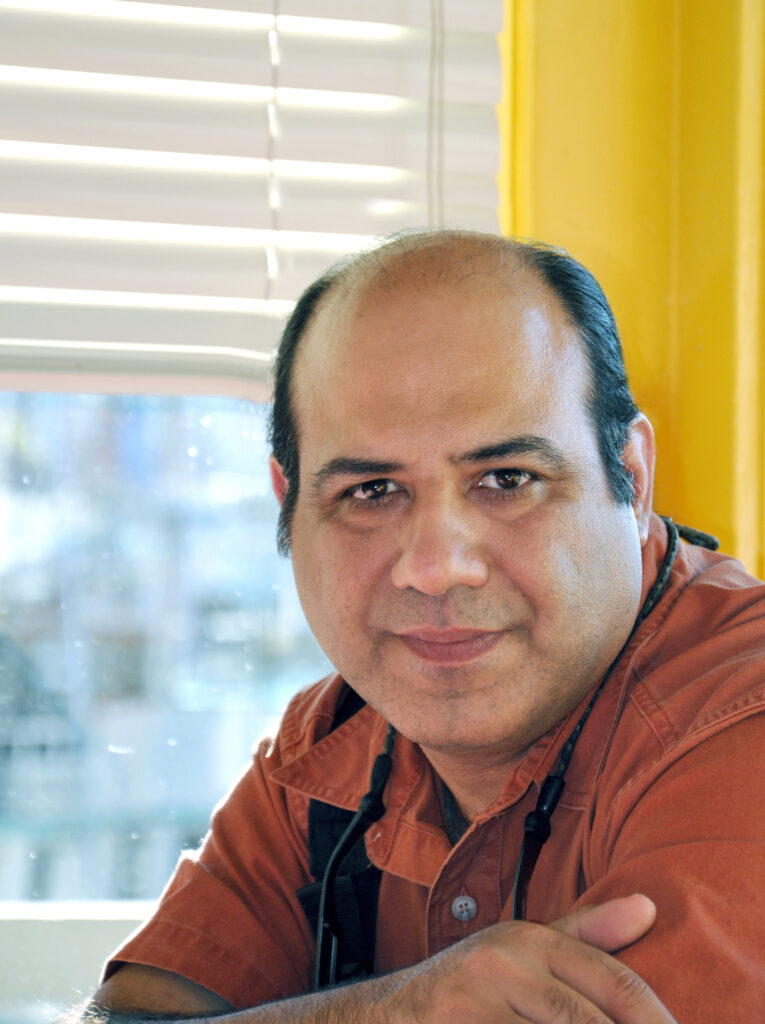
Title: Beyond Conventional Nitrate Isotopes: Multi-Isotope Fingerprinting of Nutrient Contamination in South Florida Surface Waters
Abstract: With an aquifer system covering approximately 260,000 km², Florida possesses abundant surface and groundwater resources that supply fresh water to more than 11 million residents. Despite this abundance, these resources are highly vulnerable to contamination. Exposure to contaminated drinking and recreational waters poses significant risks to public health. Rapid population growth and extensive urban development in South Florida are placing increasing pressure on regional freshwater resources, while climate-related impacts on water availability add an additional layer of stress to these already vulnerable systems. Nutrient inputs, heavy metals, organic enrichment, and bacterial contamination represent the primary causes of water quality degradation in the lakes, rivers, estuaries, and coastal waters of South Florida. Among these, nutrient pollution—particularly nitrate in surface waters—has become an environmental issue of both regional and national concern. Effective management strategies aimed at controlling nitrate pollution require reliable identification of contamination sources and pathways in order to reduce nitrate inputs into the hydrological system. This task becomes especially challenging in large aquifer systems such as Florida’s, where contaminants from both point and non-point sources can readily enter and migrate through interconnected groundwater and surface-water networks. Over the past several decades, the stable isotopes of nitrate—δ¹⁵N NO ₃ and δ¹⁸O NO ₃—have been widely used to identify the sources and transformation processes of nitrate in aquatic systems. However, the interpretation of these isotopic tracers can be complicated by overlapping source signatures and isotopic fractionation associated with biological processes. To improve source discrimination, this study pairs δ¹⁵N NO ₃ measurements with δ¹¹B₍water₎ data from water samples collected at six selected sites. Interpretation based solely on the conventional isotope pair (δ¹⁵N NO ₃–δ¹⁸O NO ₃) suggests that nitrate contamination in the studied samples may originate from a mixture of sources, including manure, sewage, inorganic fertilizers, and possibly marine-derived nitrate. In contrast, when δ¹⁵N NO ₃–δ¹¹B₍ water ₎ isotope pairs are considered, the samples consistently cluster within the isotopic field associated with manure-derived nutrients, providing a more constrained interpretation of nitrate sources. In addition to nitrate isotopes, a multi-isotope framework was employed to characterize the surface waters of South Florida. The local surface-water line was established using paired δ²H₍water₎ and δ¹⁸O₍water₎ measurements. The δ¹⁸O₍water₎ values at the studied sites range from 0.94 to 2.41‰, while δ²H₍water₎ values vary from 10.56 to 18.44‰, indicating relatively limited isotopic variability across the region. The δ¹⁸O PO ₄ values of dissolved phosphate further support the interpretation that animal fecal matter is a major contributor to nutrient contamination. Additional tracers—including δ¹¹B₍ water ₎, ⁸⁷Sr/⁸⁶Sr, and Δ¹⁴C of dissolved organic carbon (DOC)—exhibit distinct variations among sampling sites, suggesting differing contributions from potential contamination sources as well as variable mixing pathways within the hydrological system. By integrating these multiple isotopic tracers, we establish a comprehensive isotopic fingerprint for each water sample, providing critical insight into the relative contributions of contamination sources and their transport pathways to individual sites.
Bio: Arash Sharifi is an isotope geochemist, paleoclimate scientist, and geologist specializing in the application of organic and inorganic geochemistry to reconstruct past climate and environmental conditions. He received his B.Sc. in Geology (1993) from Isfahan University and his first master’s degree in Petrology (1996) from University of Tehran, Iran. He got his second master’s degree in Earth System Science (2009) from University of California, Irvine and his Ph.D. in Marine Geology and Geophysics (2017) from University of Miami Rosenstiel School of Marine, Atmospheric and Earth Science. Since 1994, Arash Sharifi has been extensively involved in geochemical research, working in leading organic and inorganic geochemistry laboratories worldwide. He has spearheaded multiple research projects and played a key role in establishing several research laboratories. As an analytical geochemist, he has contributed to the development of novel proxies for paleo-environmental reconstructions and pioneered methods in non-destructive density measurements, extraction chromatography, and mass spectrometry. Arash has authored over 45 peer-reviewed publications, which have been well received by his peers in the fields of paleoclimate, geochemistry, environment, and archaeology. His research continues to bridge the disciplines of geochemistry, paleoclimatology, and environment, offering new insights into Earth’s past and present climate and environmental changes.
Bob Tipping – MN Geological Survey
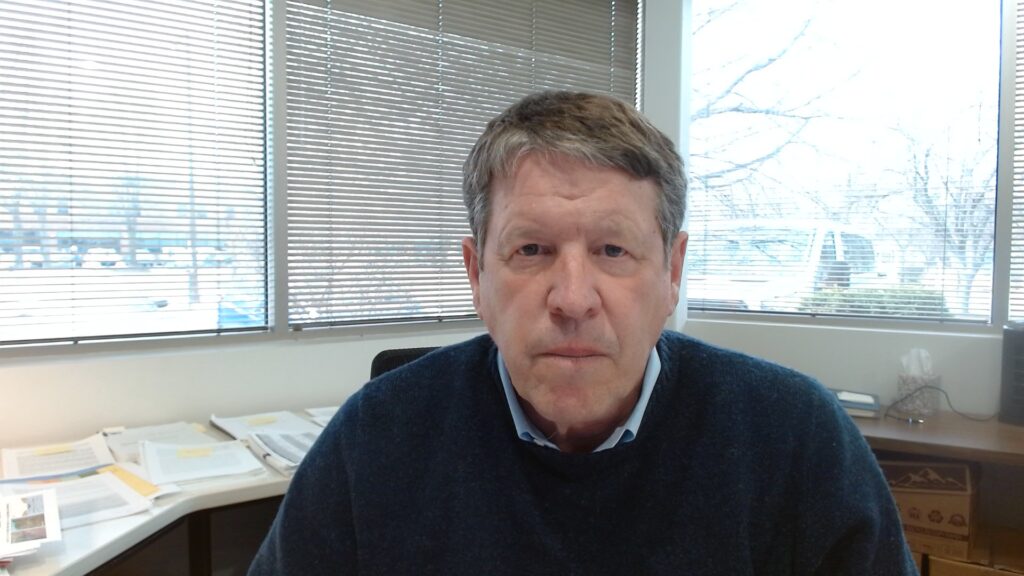
Title: The Role of Groundwater Residence Time in Watershed-Scale Water Resource Planning
Abstract: Established in 2013, the Minnesota Board of Water and Soil Resources’ One Watershed One Plan (1W1P) aligns local planning with state strategies to develop prioritized, targeted, and measurable implementation plans at the HUC-08 watershed scale. These plans operate on a 10-year cycle, and are informed by surface-water-focused MPCA Watershed Restoration and Protection Strategies (WRAPS).
However, a fundamental temporal mismatch exists regarding groundwater. While the multi-agency Groundwater Restoration and Protection Strategies (GRAPS) reports provide essential data, the 10-year 1W1P cycle does not align with groundwater residence times. Even in shallow aquifers, the interval from recharge to discharge often exceeds 20 years, meaning measurable responses to land-surface implementation activities lag behind standard planning phases.
To address this time problem, this presentation proposes a conceptual framework to quantify residence times in shallow, intermediate, and deep aquifers. By synthesizing data from County Geologic Atlases (Parts A and B), we offer an intuitive method for planners to incorporate long-term groundwater dynamics into the watershed management process.
Bio: Minnesota Geological Survey – 2024 to present
Minnesota Department of Health – 2019 to 2024
Minnesota Geological Survey – 1989 to 2019
While at the Health Department, Bob was a hydrologist supervisor in the Source Water Protection Unit. Prior to that, he was a senior scientist at the Minnesota Geological Survey, and adjunct faculty member in the Department of Earth Sciences and the Water Resources Science program – both at the University of Minnesota. His research interests are in aquifer characterization, groundwater chemistry and groundwater-surface water interaction. Bob has a Ph.D. in Water Resources Science from the University of Minnesota, M.S. in Geology the University of Minnesota, and B.A. in History from Carleton College. About the Minnesota Geological Survey: The Minnesota Geological Survey is a unit of the Newton Horace Winchell School of Earth Sciences in the University of Minnesota. The Survey is the University outreach center for the science and technology of earth resources in Minnesota. The Survey conducts basic and applied earth science research, conveys that information to the public through publications and service activities, and promotes earth science education. Minnesota is its exclusive focus.
Margaret Wagner – Minnesota Department of Environmental Quality
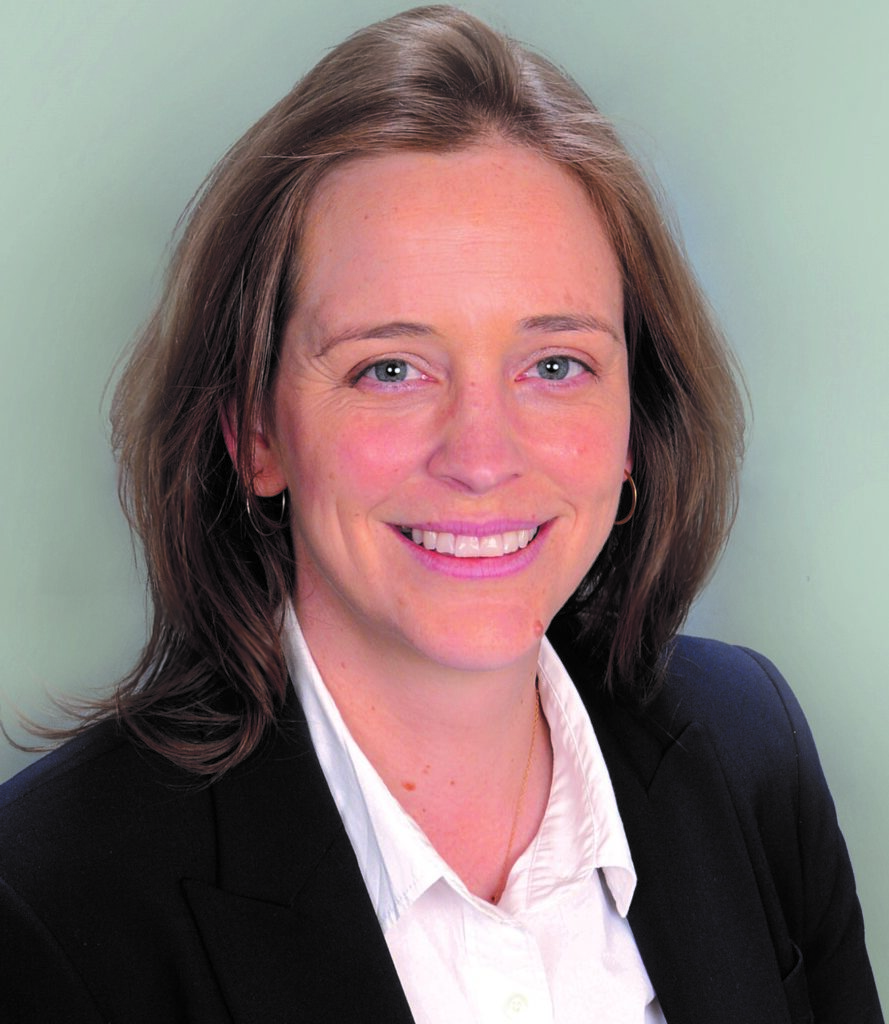
Title: Understanding Groundwater Age for the Implementation of the Groundwater Protection Rule
Abstract: Nitrate is one of the most common contaminants in Minnesota’s groundwater, and in some areas of the state a significant number of public and private wells have high nitrate levels. Reducing nitrate in groundwater is challenging, particularly under row crop production in vulnerable geologic settings. Lag times (months to years) between changes in management practices and changes in groundwater quality can be difficult to quantify.
The Minnesota Department of Agriculture works with technical partners to integrate the best available science to monitor and assess nitrate in groundwater at multiple scales. This includes overlapping regulatory and voluntary approaches – including the Groundwater Protection Rule (GPR). The GPR applies to the use of nitrogen fertilizer and focuses on protecting groundwater. It went into effect in June 2019 and contains two parts: 1) restriction of fall fertilizer application in vulnerable groundwater areas and 2) responding to Drinking Water Supply Management Areas (DWSMAs) for public water supply wells that have high nitrate levels.
The GPR becomes regulatory if BMPs are not adopted on 80% of cropland in the DWSMA or if nitrate concentration significantly increases in the public well or monitoring well network. As MDA evaluates nitrate trends, understanding groundwater age and lag time is crucial for determining whether monitoring data represents current land use and when measurable improvements can be expected. To support realistic expectations and effective prioritization, MDA is incorporating groundwater age tracers and multiple lines of evidence while working collaboratively with farmers to implement practices that improve groundwater quality over time.
Bio: Margaret Wagner manages the Fertilizer Section at the Minnesota Department of Agriculture (MDA). In this role, she oversees programs related to nitrogen management and is responsible for regulatory and non-regulatory programs including implementation of the Groundwater Protection Rule and research and demonstration projects funded through Minnesota’s Clean Water Fund. She leads a technical team at the MDA and manages 25 staff statewide. Margaret has over 15 years of experience working with farmers, crop advisers, and researchers as well as the state legislature. She earned a BS in Environmental Science from Colorado College and MS in Agronomy from the University of Minnesota.
You must be logged in to post a comment.